From antiquity to the 21st century: how history shapes modern architecture
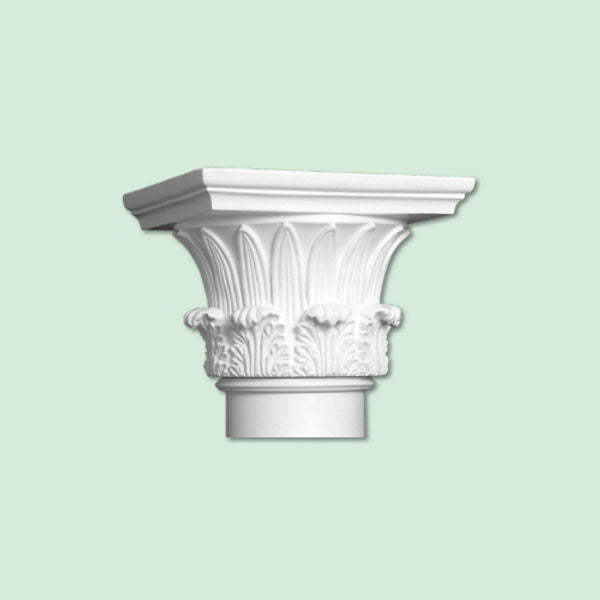
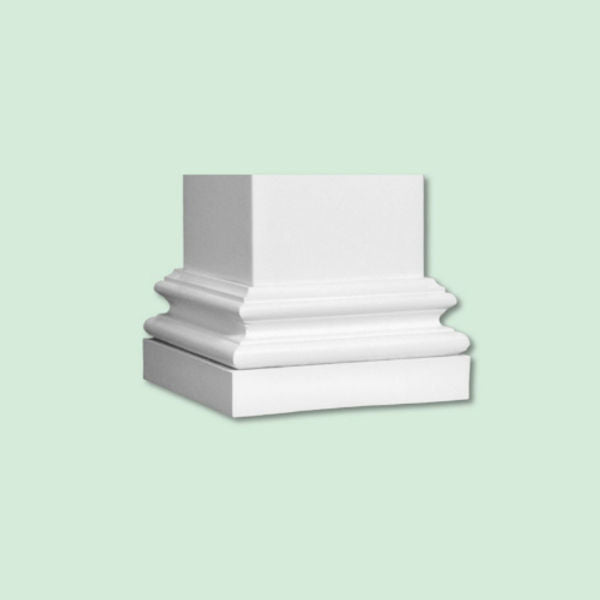
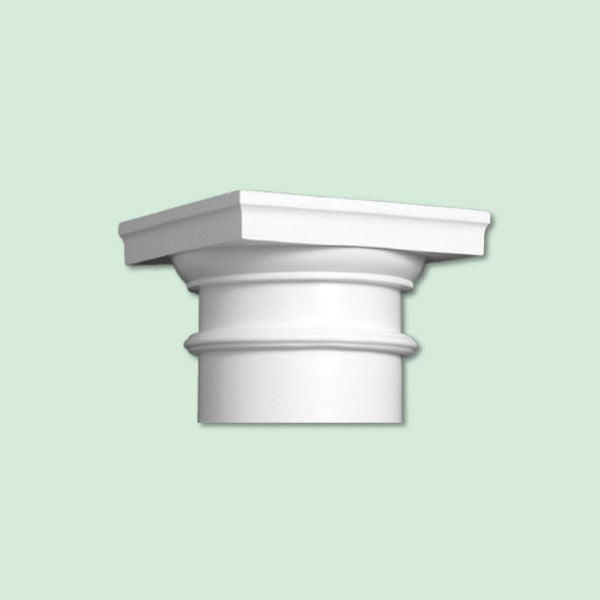
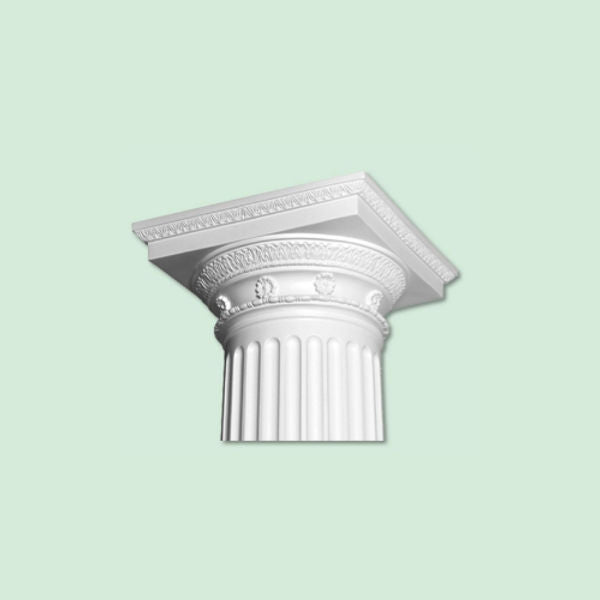
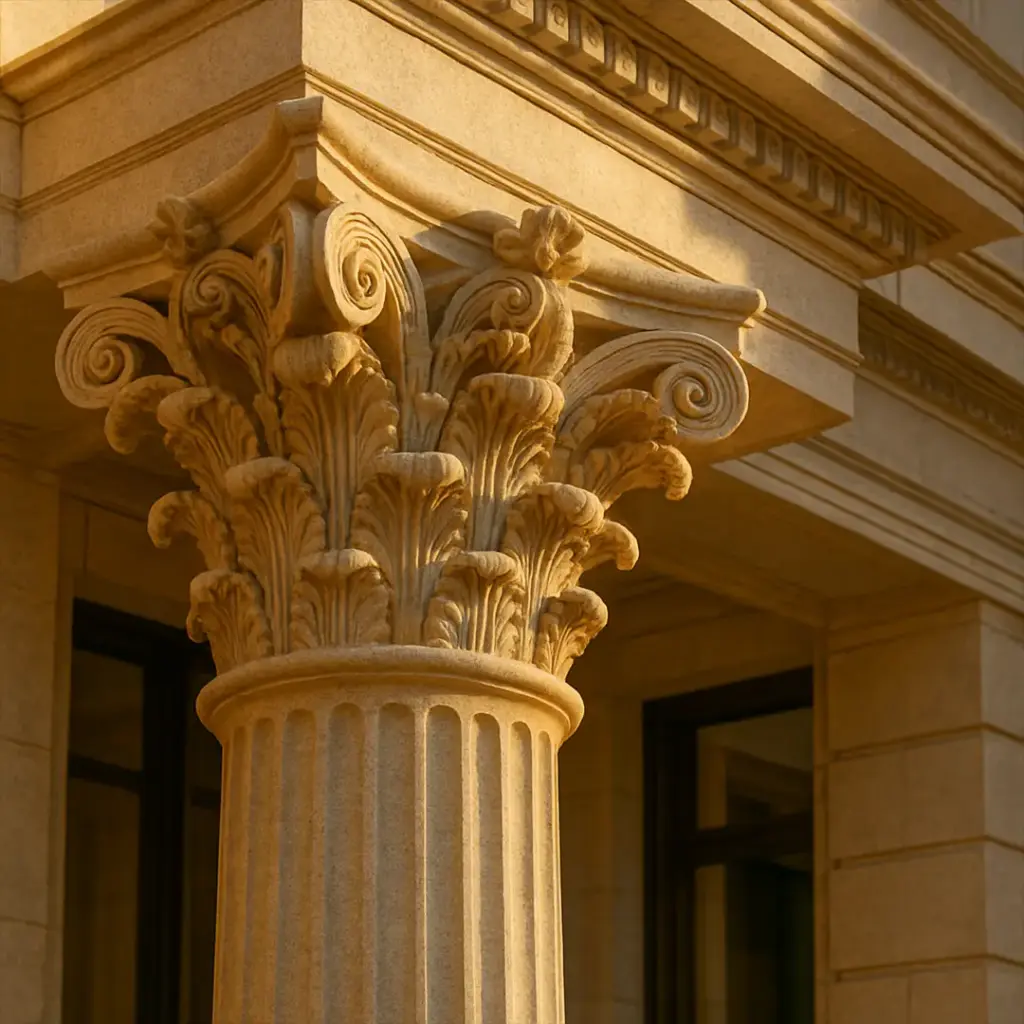
Every time we design a column capital, we’re not just creating a decorative element — we’re picking up a conversation that started more than 2,500 years ago. And it’s a long, fascinating conversation. The ancient Greeks, for instance, didn’t make their choices randomly. The sturdy, no-nonsense Doric columns or Corinthian columns weren’t just blocks of stone — they were a statement: this building will stand forever. Stability. Strength. Authority.
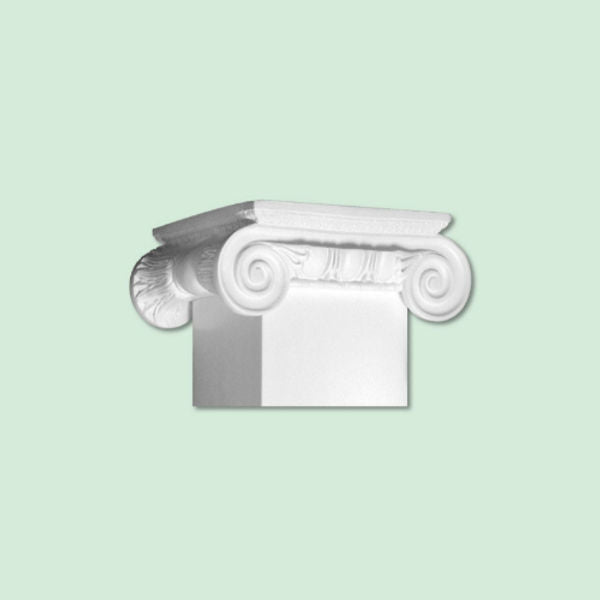
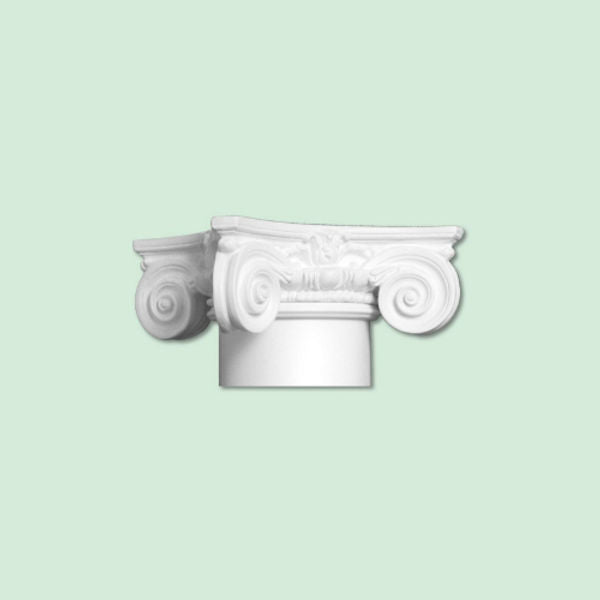
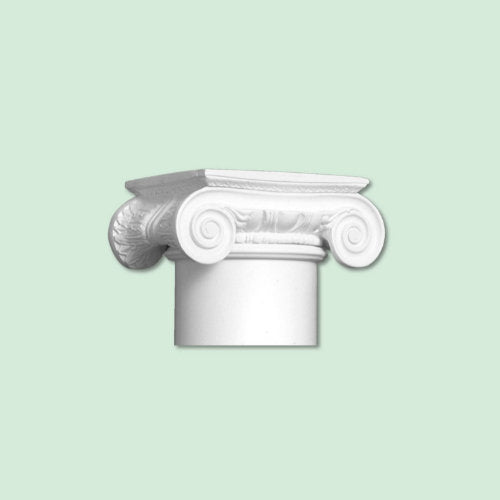
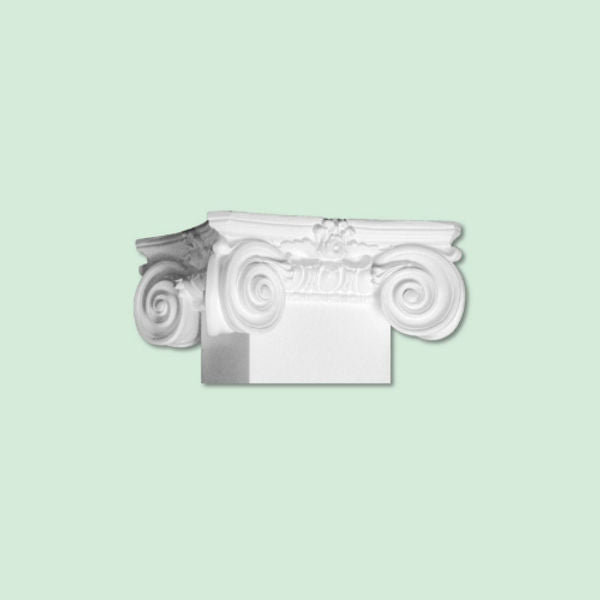
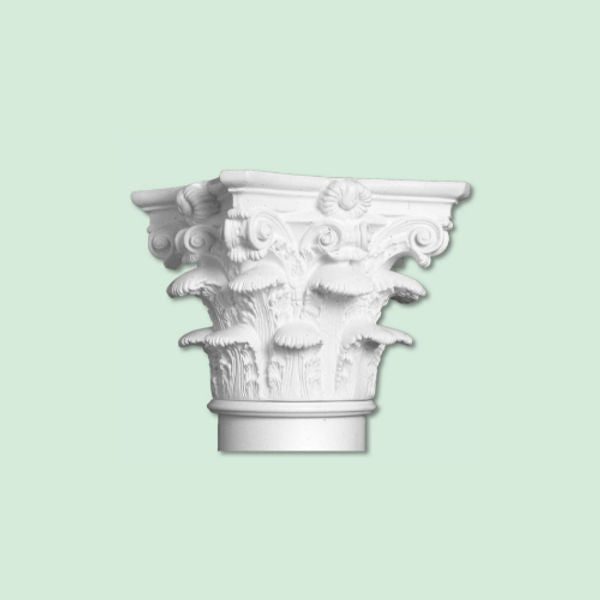
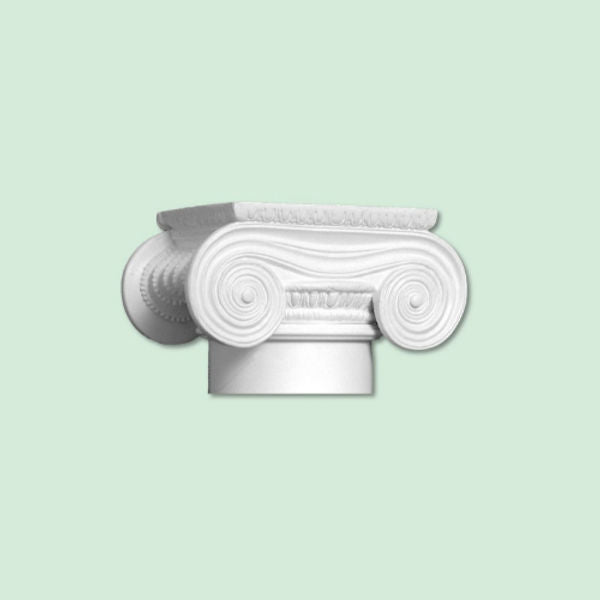
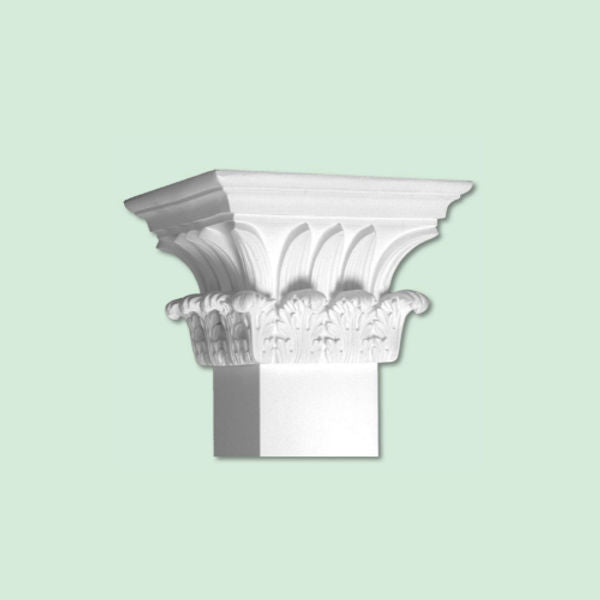
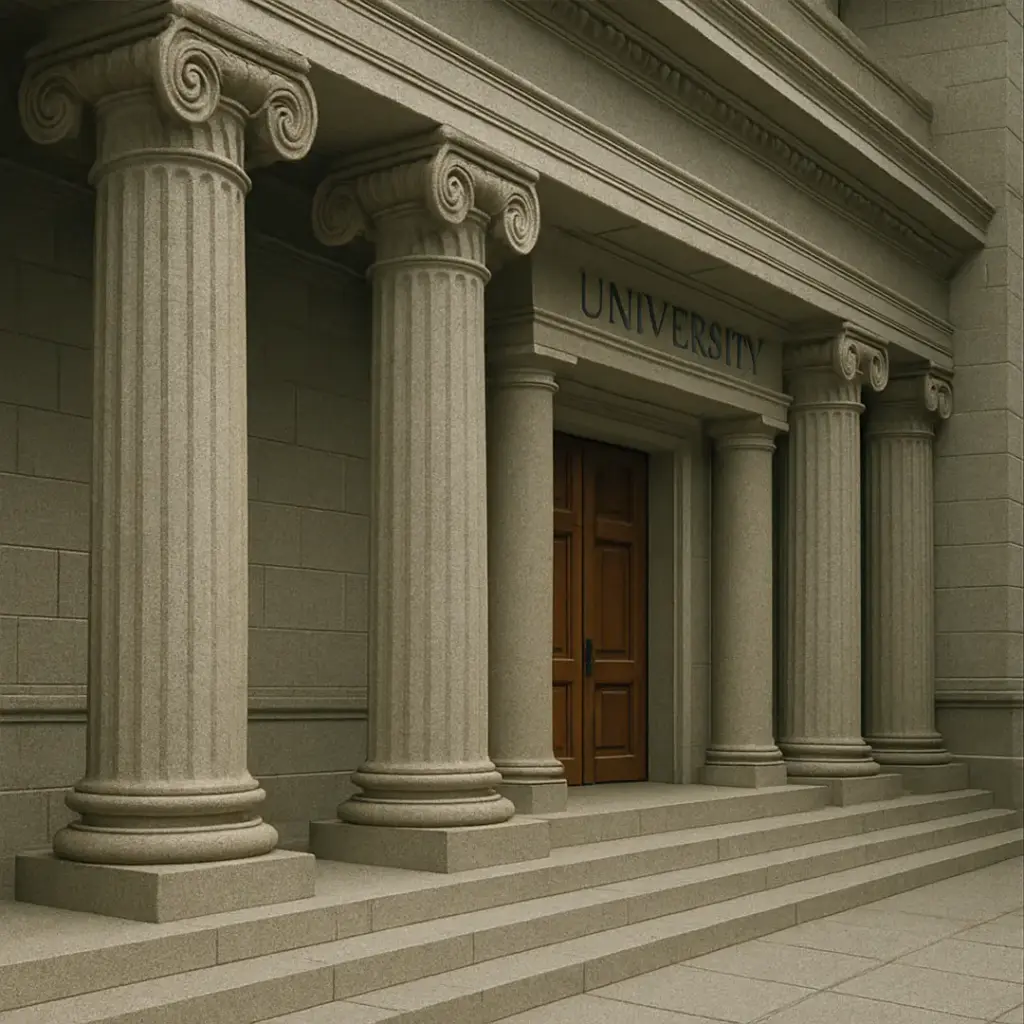
Then came the Ionic capitals — more graceful, more thoughtful, like a philosopher’s argument carved in stone. Their swirling volutes weren’t there for beauty alone; column capitals whispered of proportion, of balance, of a world where everything has its rightful place. And of course, the Corinthian capital — extravagant, ornate, unapologetically grand. Column capital shouted wealth and power before you even stepped inside.
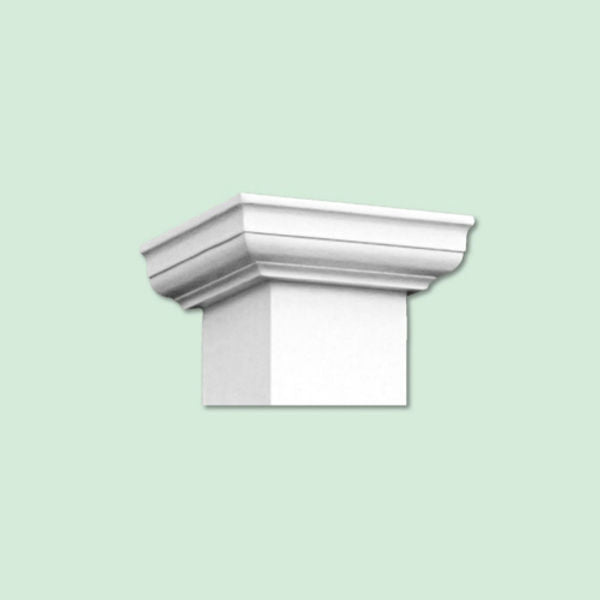
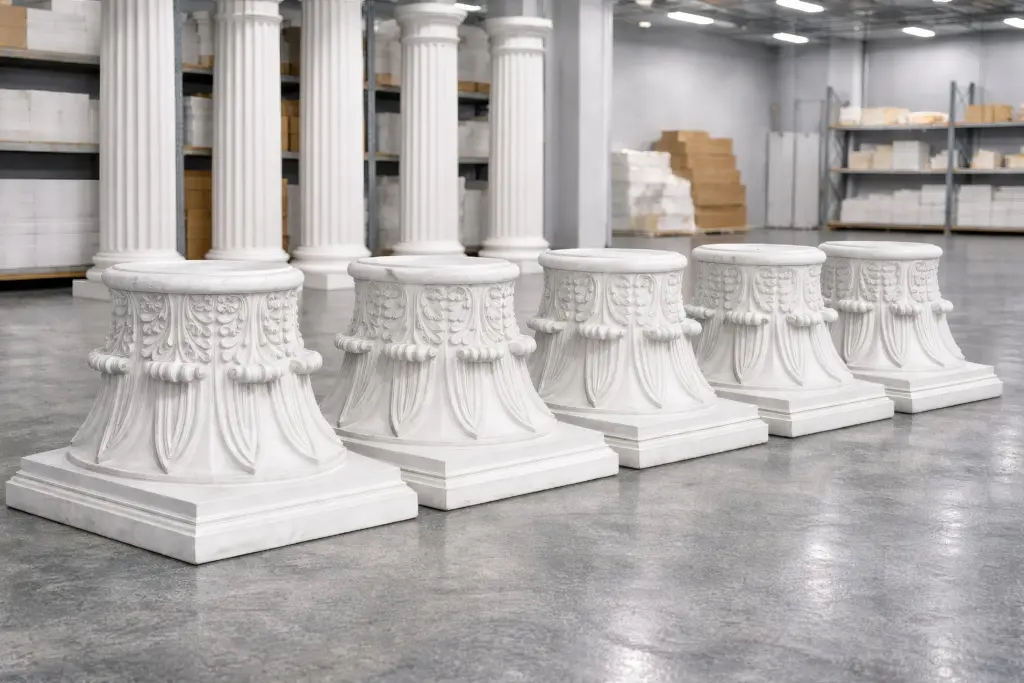
Fast-forward a couple of millennia. The tools are different now — CAD models instead of chisels, foam instead of marble — but the language? It’s still the same. A bold, simplified Doric capital on a corporate headquarters says, “We’re here to stay.” Sleek Ionic capitals on a residential façade hint at refinement, taste, a certain intellectual elegance. And a stripped-back, minimalist column capital? That’s the vocabulary of innovation, of forward-thinking design, of a brand that doesn’t just follow trends but sets them.
We’re not just copying history. We’re remixing it — turning timeless architectural symbols into messages that still speak loudly and clearly today. We often say that every column is like an architect’s signature on the façade. The tools have changed — from chisels and hammers to CAD modeling and 3D fabrication — but the essence remains the same. And in classical architecture, these details (like column capitals) continue to define how we read and experience space.