

Established Precision
Sills and bands
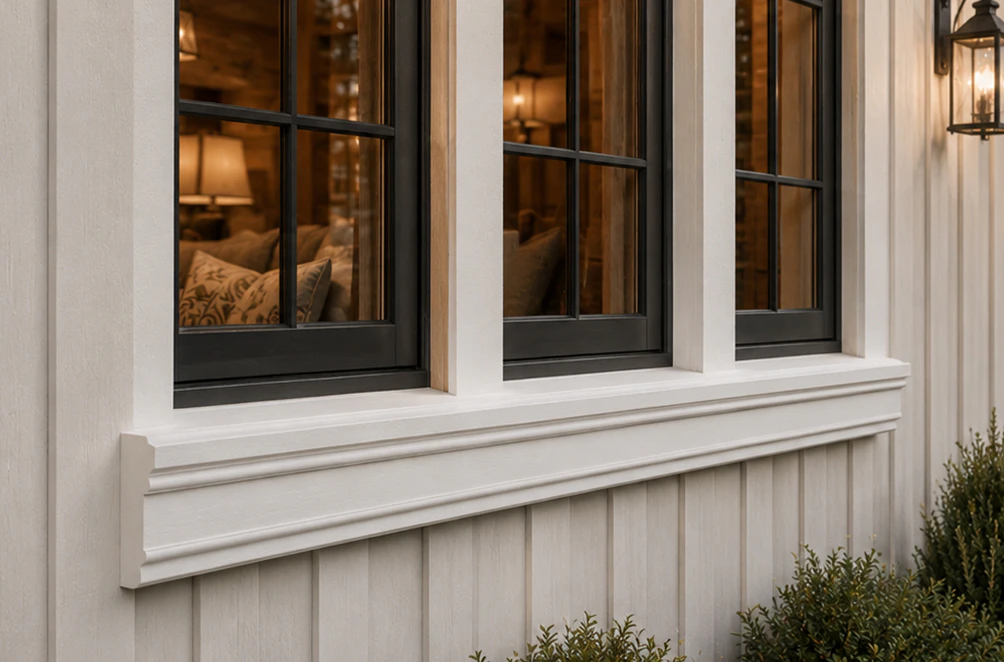
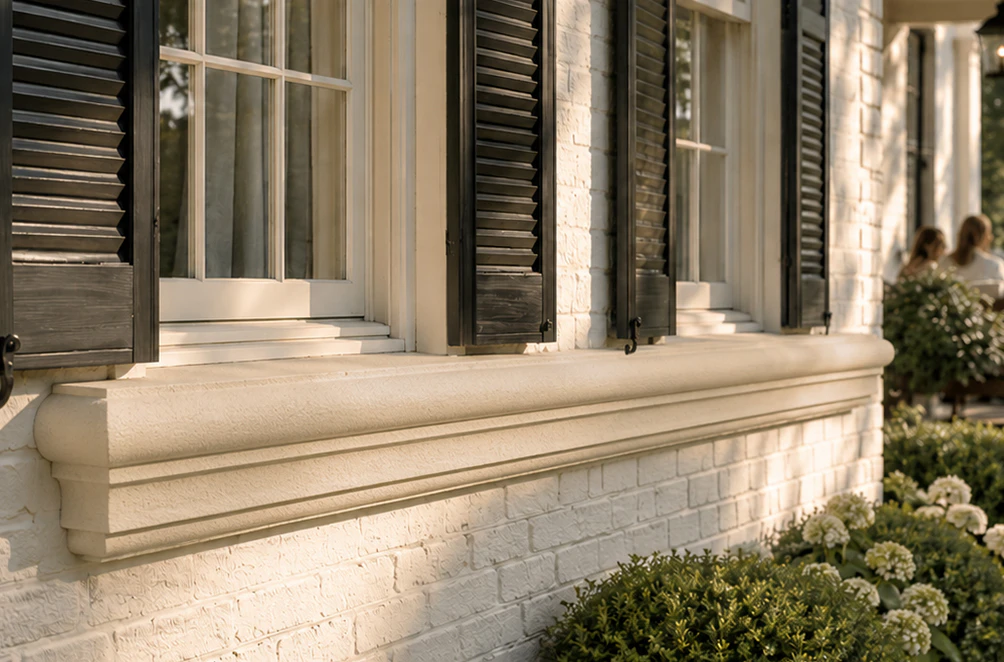
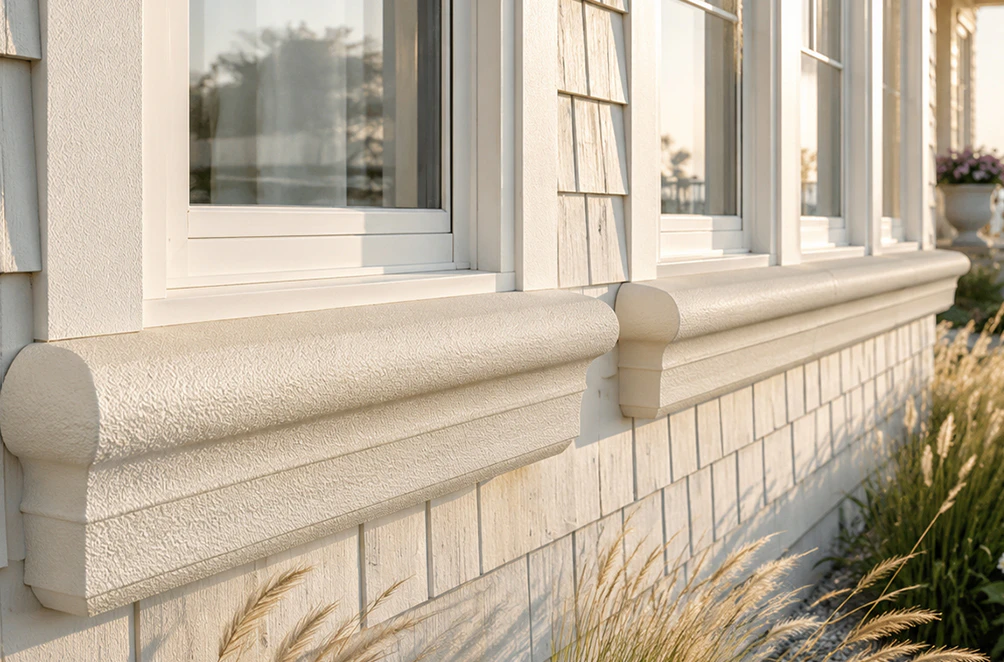
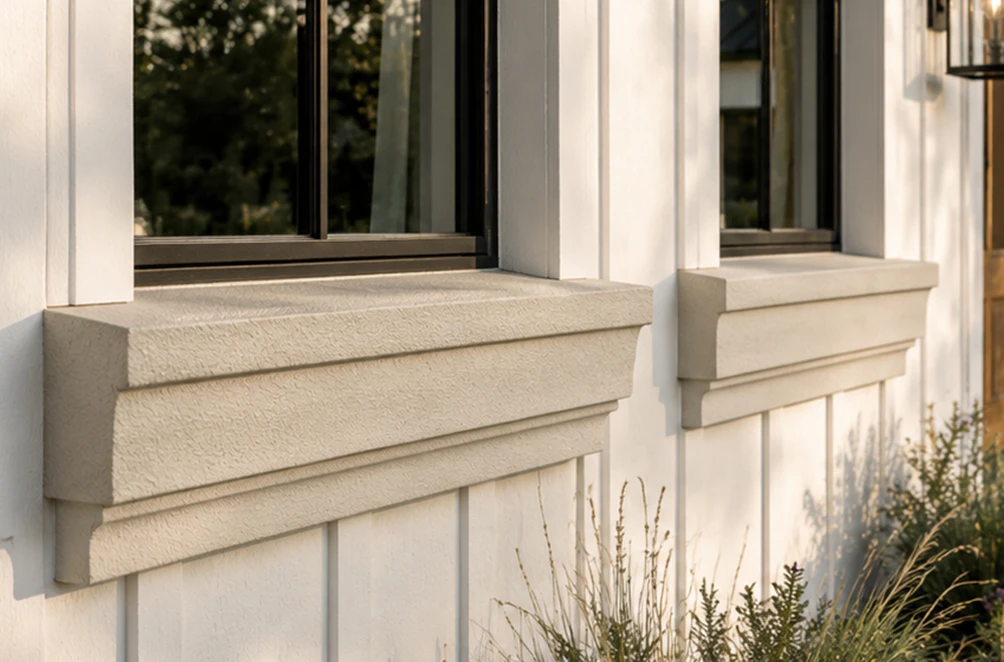
Stop designing flat, forgettable facades. Add the bold, clean lines of stone with our lightweight sills and bands that install in minutes without structural strain.
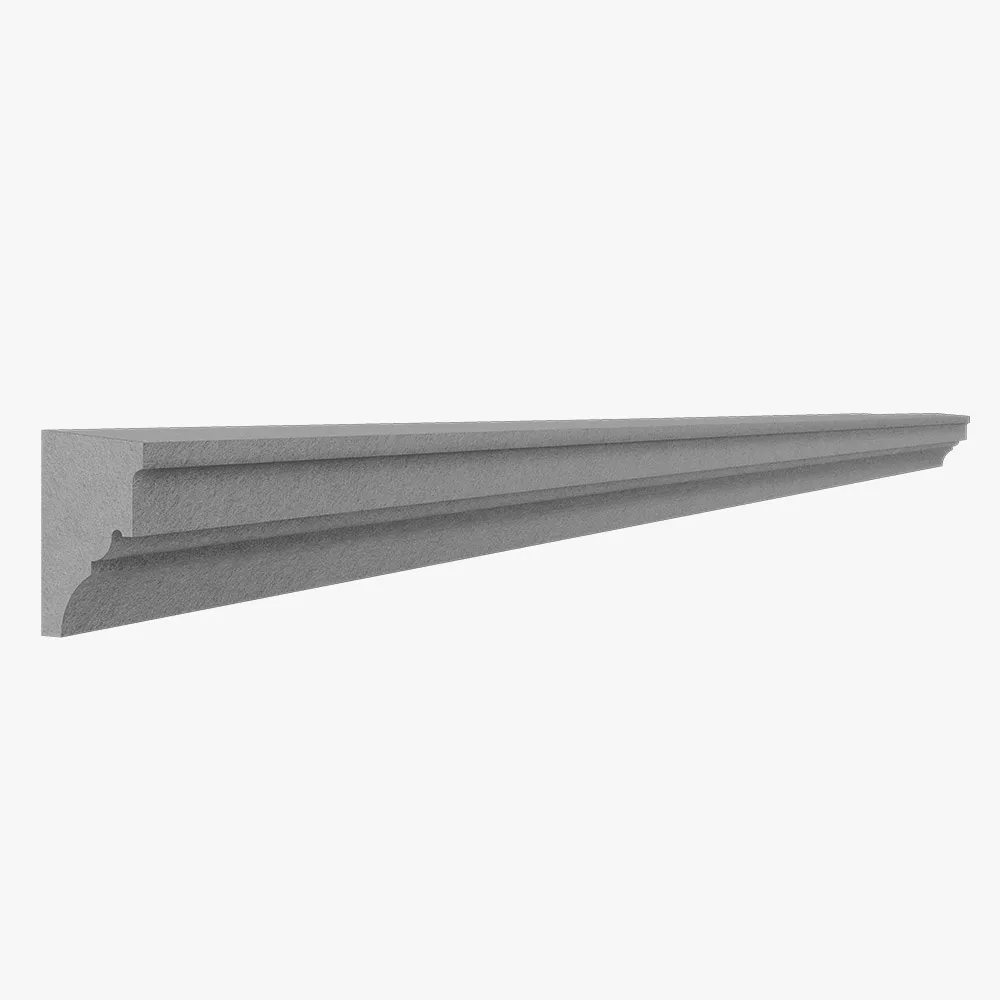
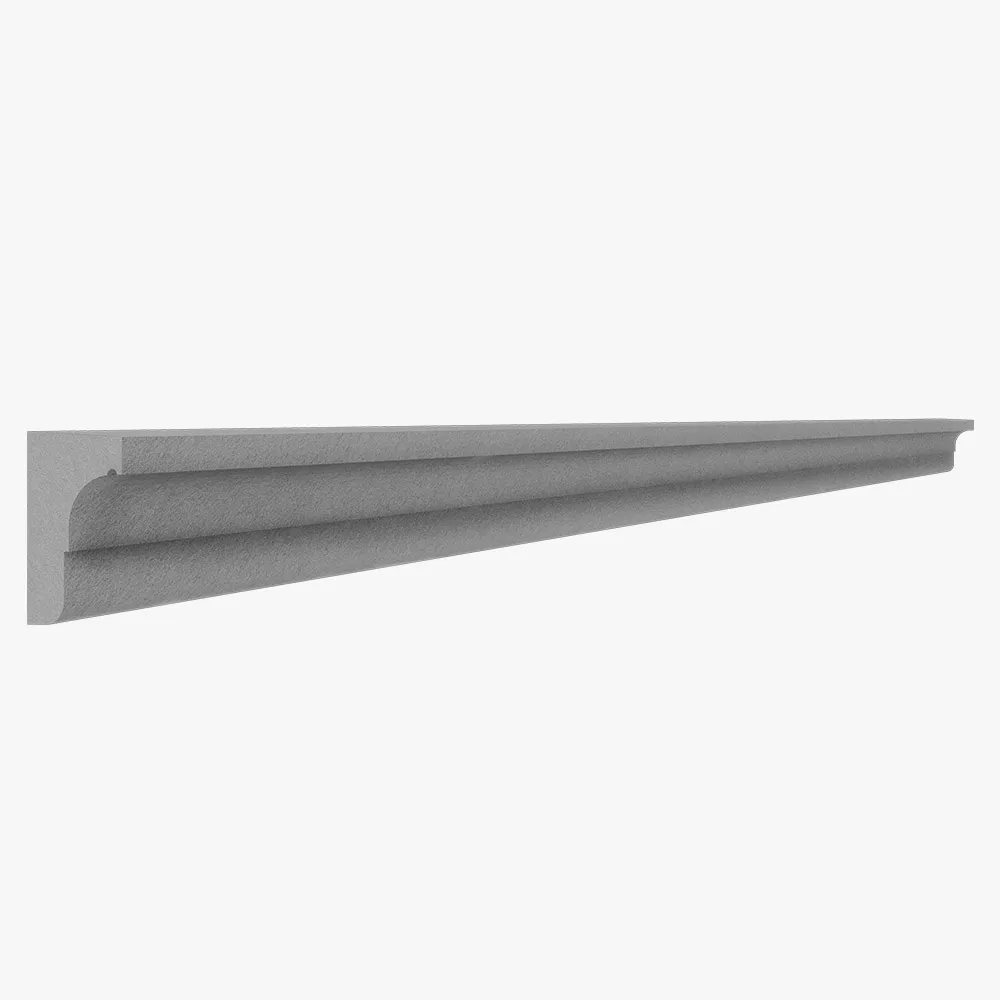
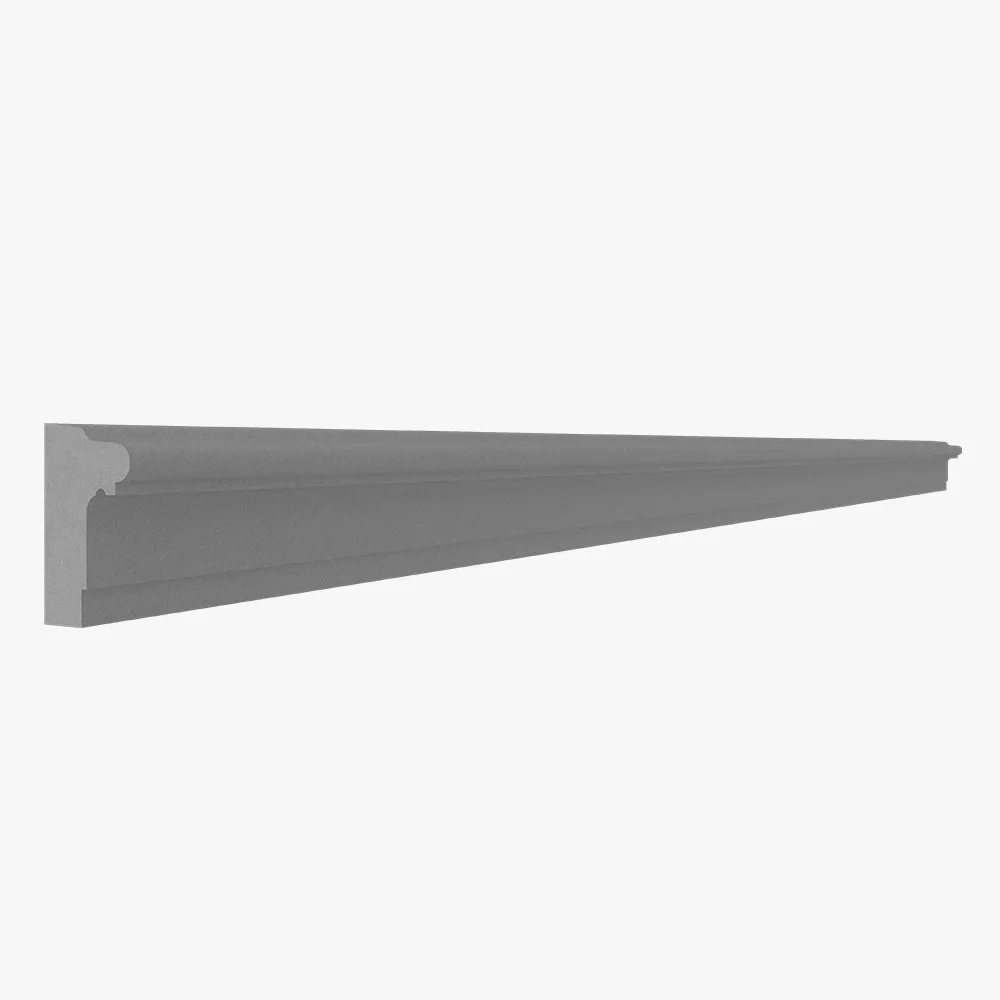
Custom EPS Sills & Bands
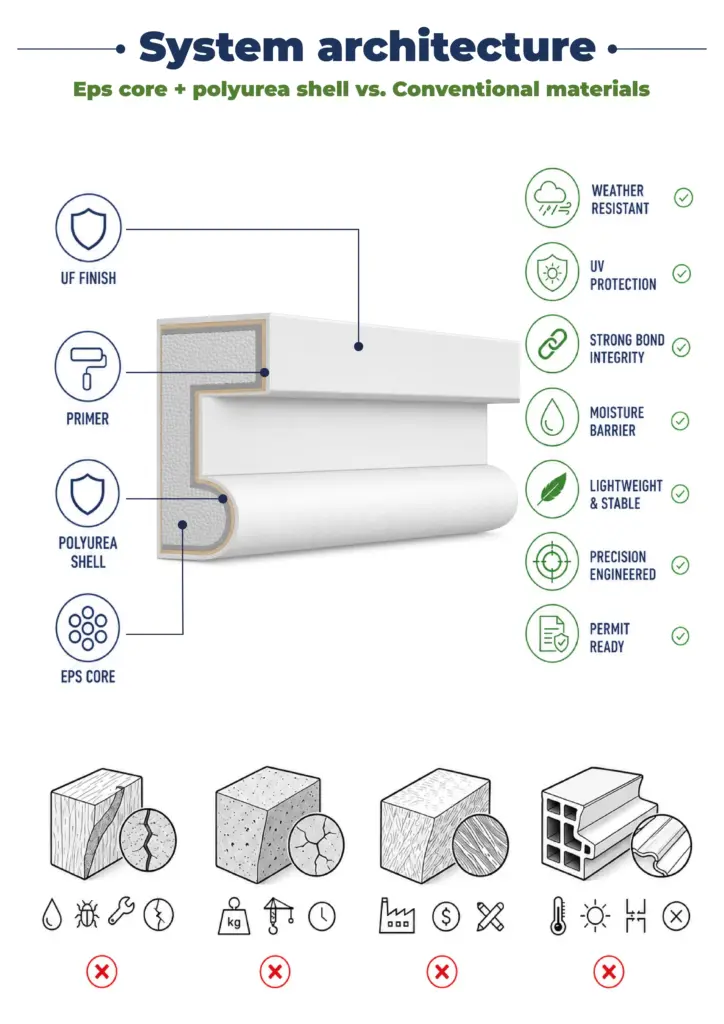
Polyurea Protective Coating
Zero Cracking or Warping
Perfect Facade Rhythm
Rapid Lightweight Install
The perfect profile for every project
From architectural vision to market-ready property, our elements deliver value at every stage.
 For Architects & Designers
Finally achieve the clean, monolithic look you’ve envisioned. Specify intricate modern window sills or sweeping, continuous bands without worrying about weight or structural limitations. We provide the technical partnership to bring your most ambitious elevations to life.
 For Developers & Builders
Increase curb appeal and accelerate project timelines. Our lightweight elements install in a fraction of the time of concrete, getting your properties market-ready faster. It’s the most cost-effective way to create a high-end look that sells.
 For Commercial Properties
Make your building a landmark. From corporate headquarters to retail centers and hotels, our custom sills and bands create a powerful, sophisticated brand identity that communicates quality and permanence from the first glance.
 For Custom Homeowners
Add timeless elegance to your home’s exterior or create unique interior features. Our products are perfect for everything from classic exterior decorative window sills to sleek, modern interior window sills that add a custom touch to your living space.
From Design Concept to Finished Architecture
Built to spec, installed in hours.
Product Range
Sills & Bands
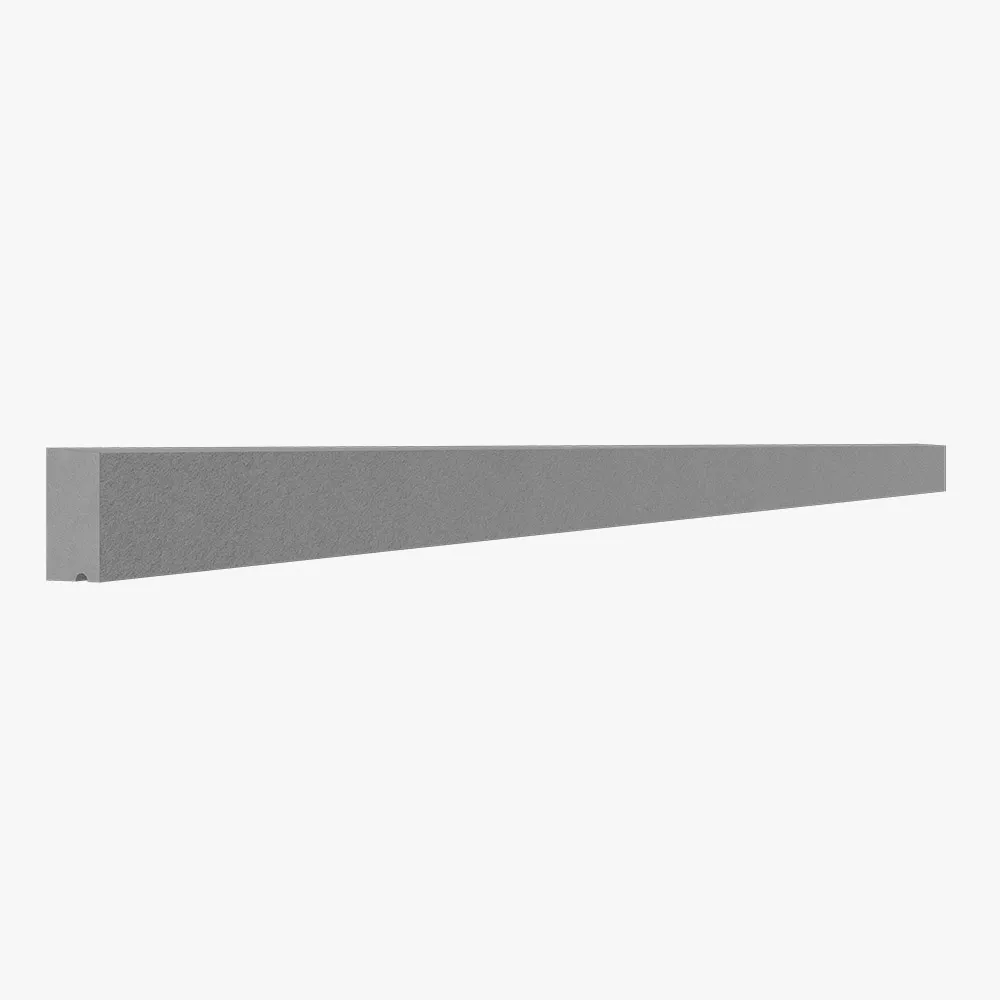
Sills & Bands 1
Sills & Bands 2
Sills & Bands 3
Sills & Bands 4
Sizes
Size Guide
| Length (L), foot | Width (W), in | Height (H), in |
|---|---|---|
| 4 | 6 | 48 |
| 4 | 6 | 60 |
| 8 | 8 | 48 |
| 8 | 8 | 60 |
| 12 | 10 | 48 |
| 12 | 10 | 60 |
| 16 | 12 | 60 |
| 16 | 12 | 72 |
| 20 | 14 | 60 |
| 20 | 14 | 72 |
| 24 | 16 | 60 |
| 24 | 16 | 72 |
Finishes
Textures & Colors
All textures and colors are fully customizable for each individual project, ensuring complete flexibility in design and appearance.
Each of our decorative architectural foam products is unique. We don’t “print” identical beams — we craft them as individual architectural pieces.
 Sandblast
Fine, uniform aggregate. Replicates the clean, etched look of sandblasted masonry. Fully paintable.
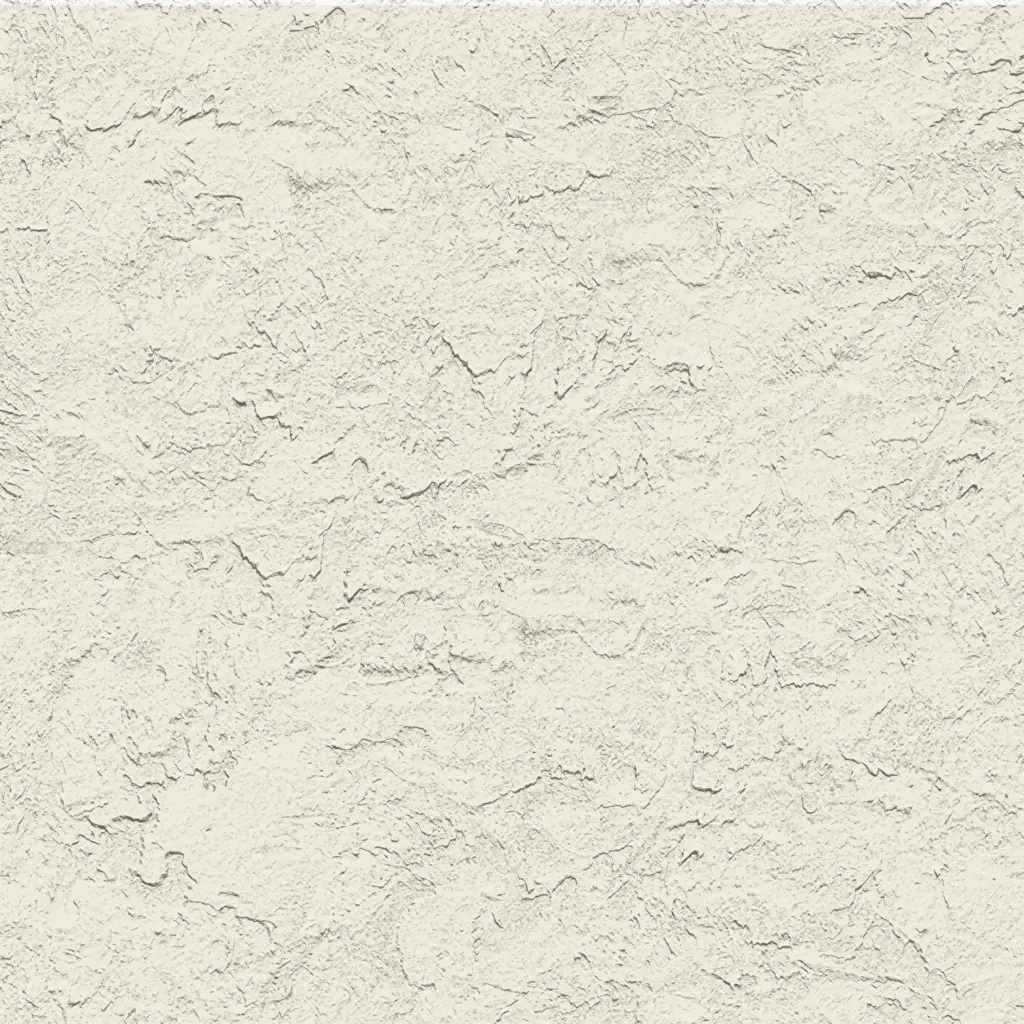 Freestyle
Hand-troweled, organic movement. Perfect for Old World, Mediterranean, or custom rustic facades. Fully paintable.
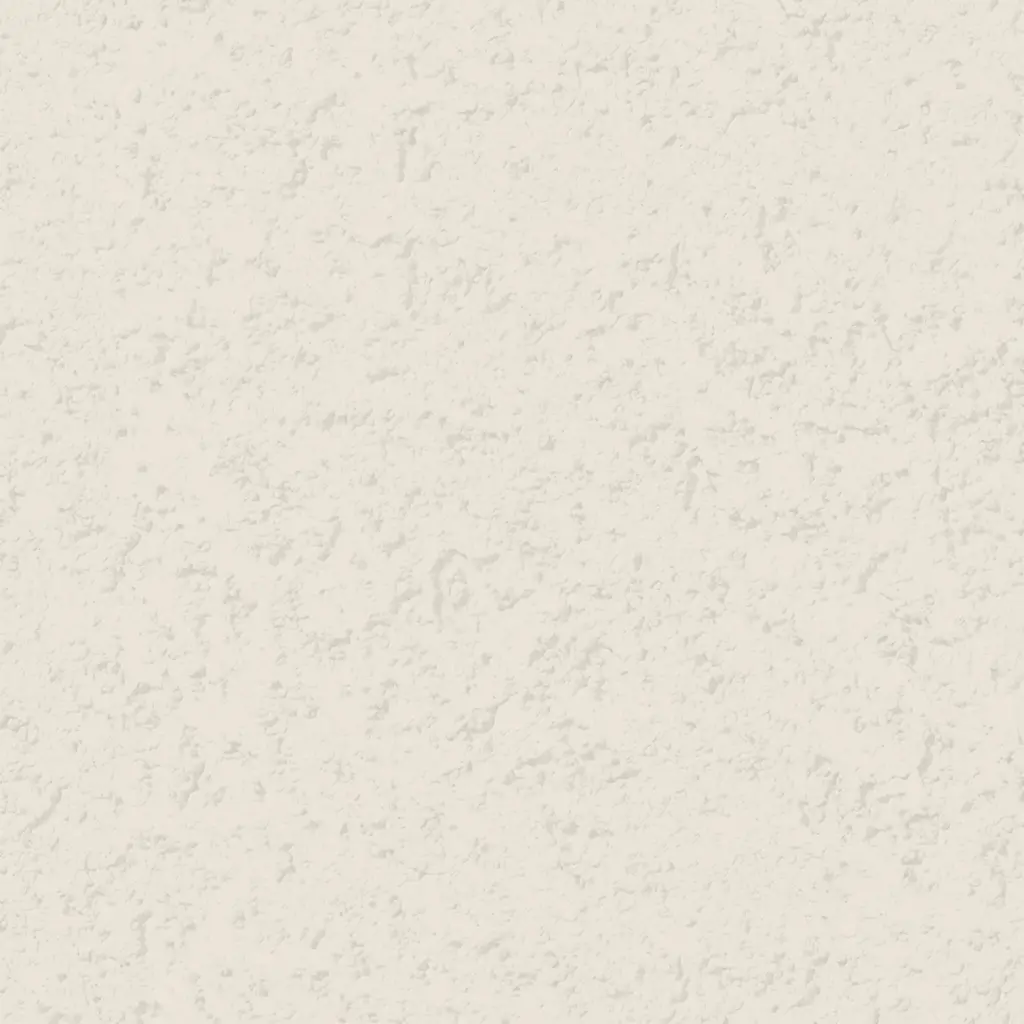 Quarzputz
Classic rilled stucco texture. Engineered to seamlessly match standard EIFS exterior systems. Fully paintable.
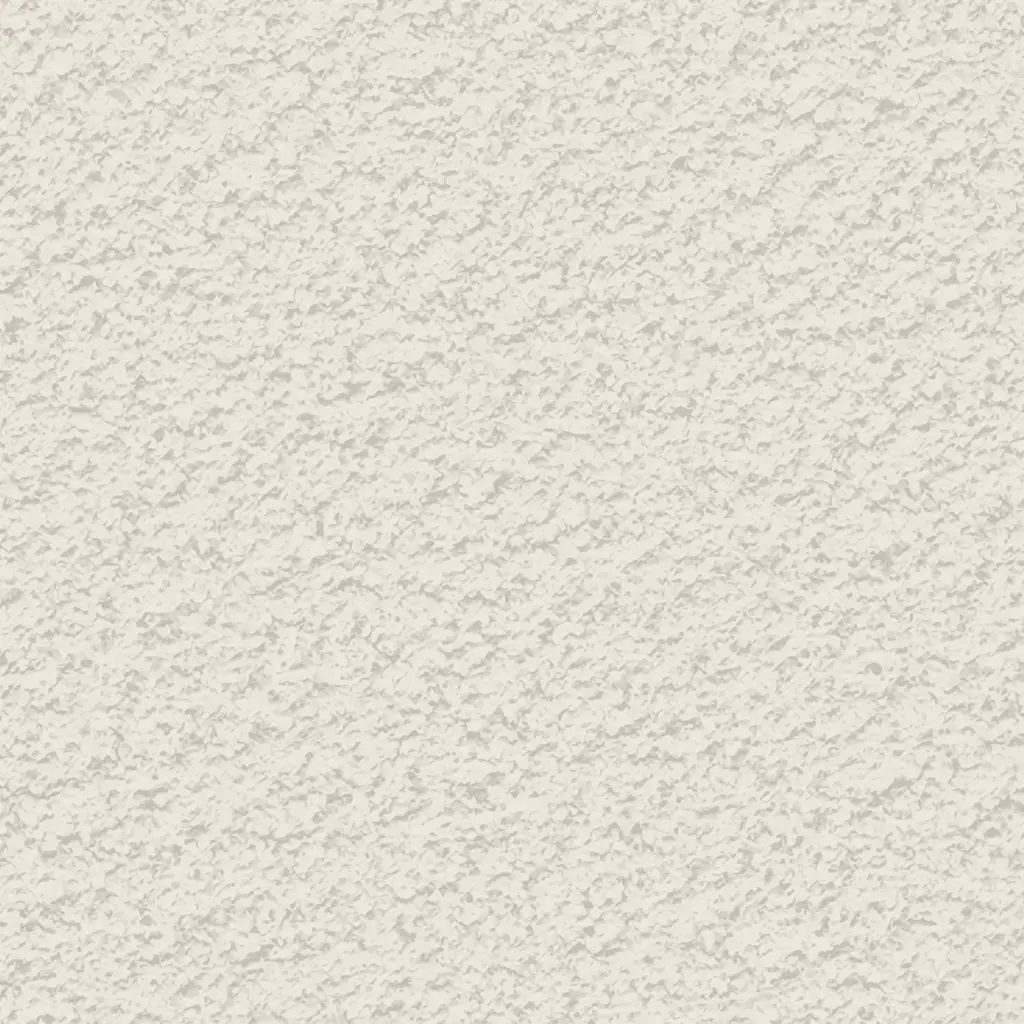 Sandpebble
Medium-to-heavy aggregate. Delivers a robust, traditional stucco profile that hides surface imperfections. Fully paintable.
 Sandpebble fine
Tight, subtle aggregate. A versatile, low-profile texture that balances masonry realism with a refined finish. Fully paintable.
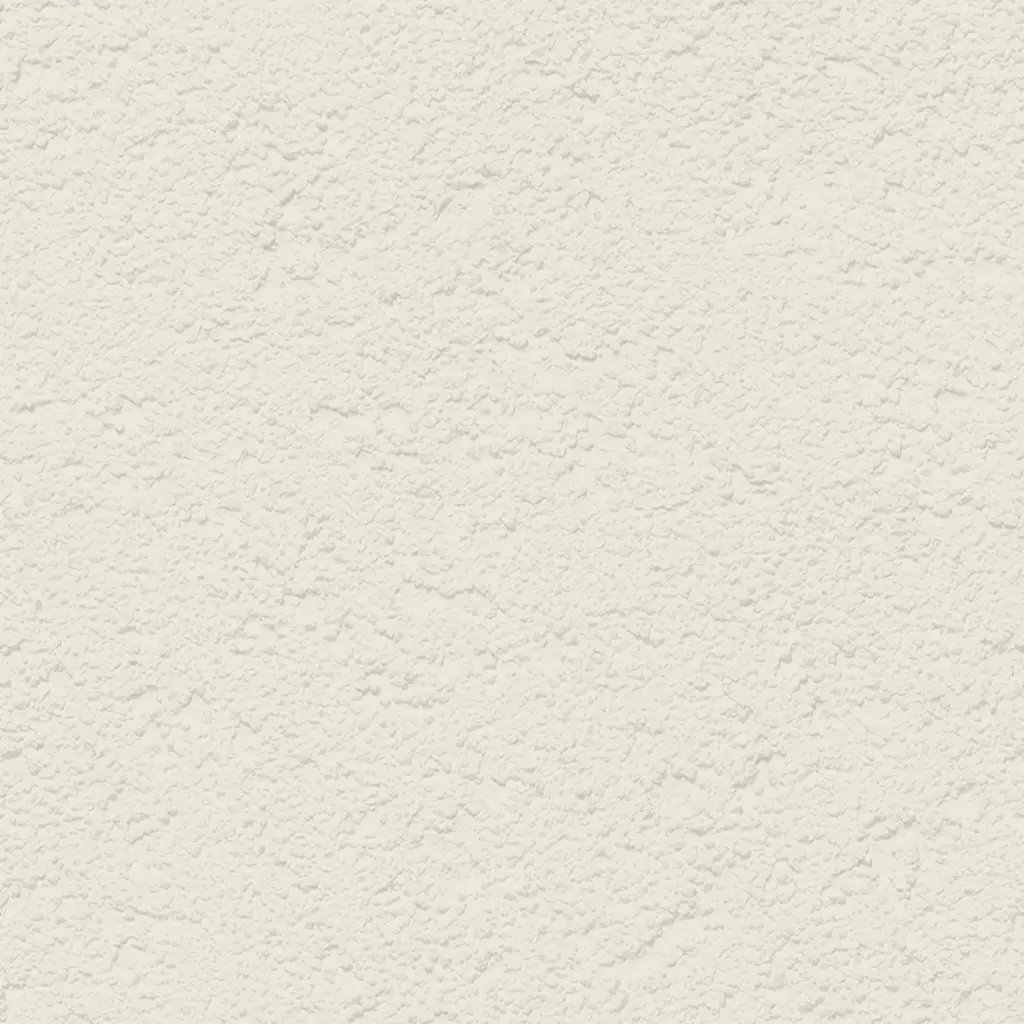 Mojave
Deep, rugged relief. Creates strong shadow lines for a bold, heavy-masonry aesthetic. Fully paintable.
 Finesse
Sophisticated, micro-stipple texture. Provides a premium, understated finish for high-end residential or commercial designs. Fully paintable.
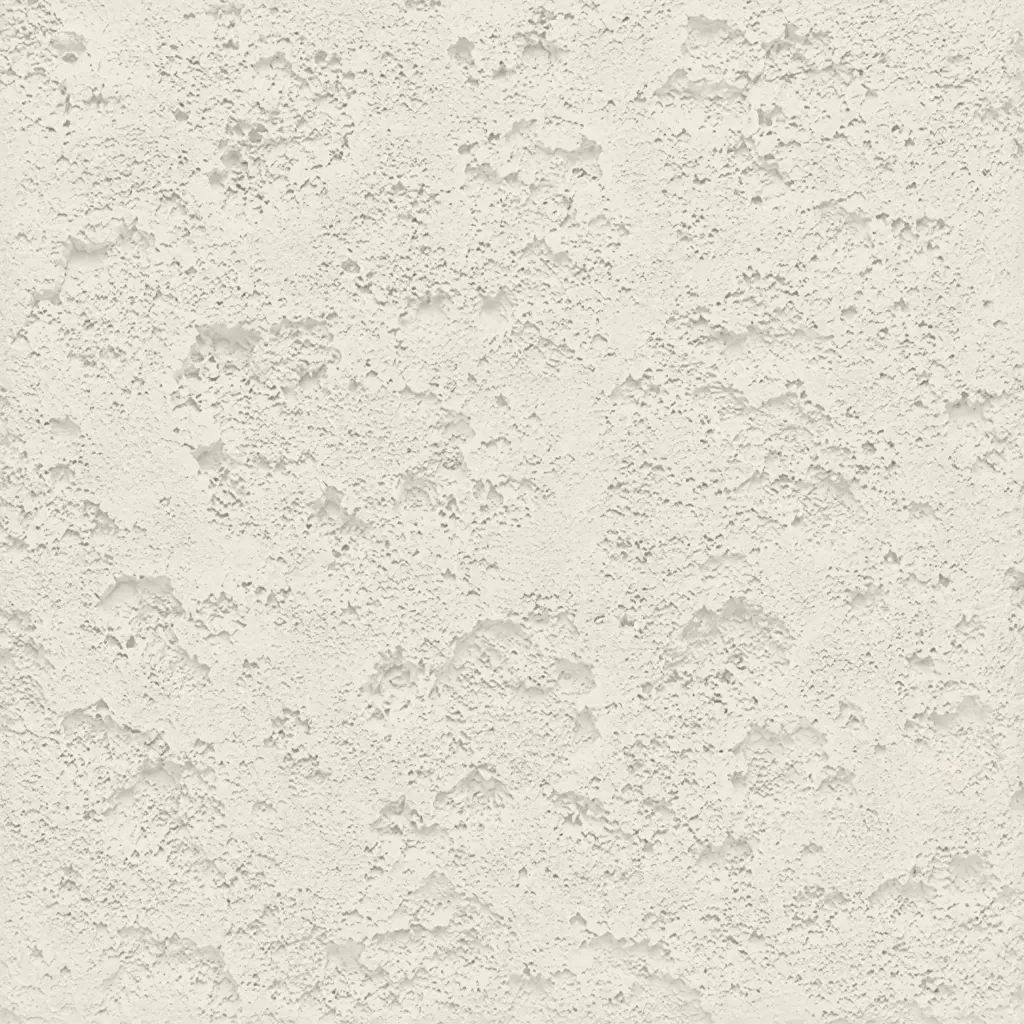 Coral
CoralDeep, heavily pitted texture. Recreates the dramatic, organic look of natural volcanic rock or weathered marine coral reefs. Fully paintable.
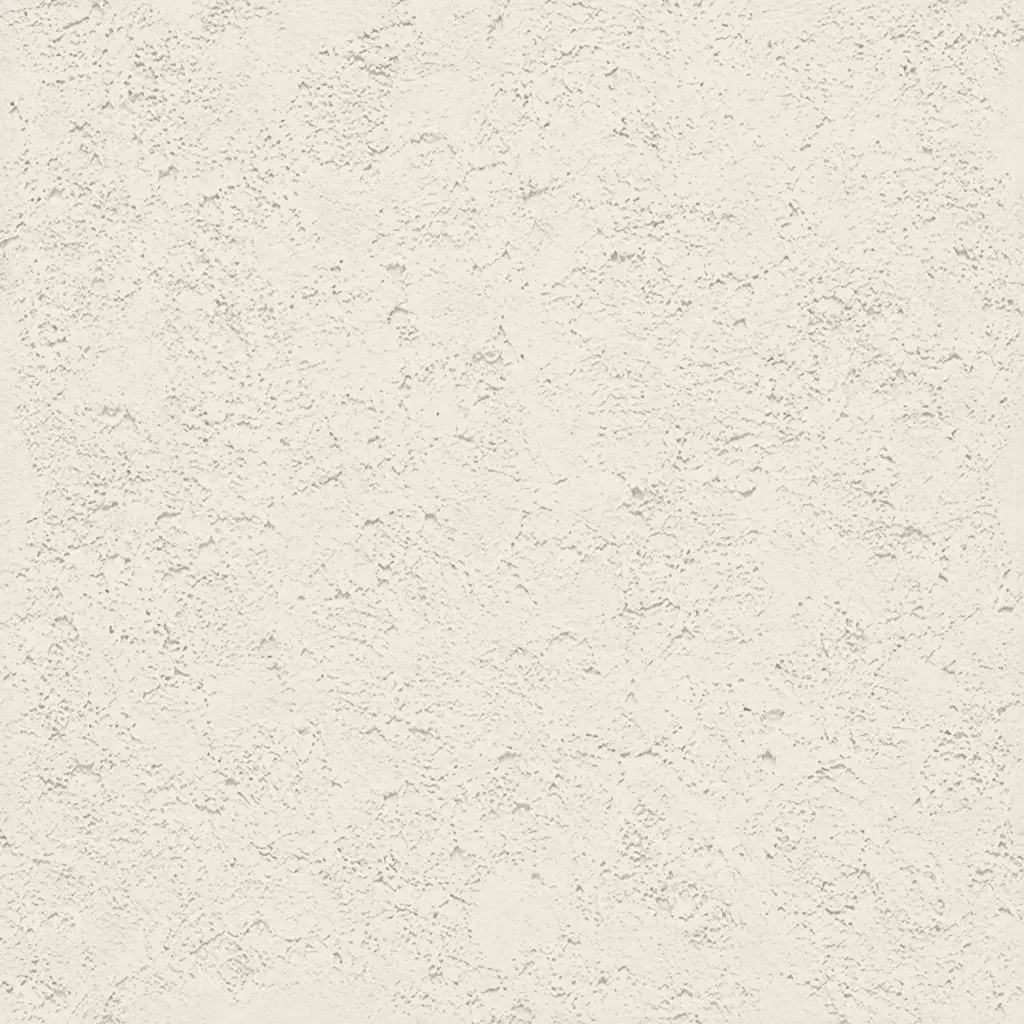 Coral Light
Subtle, moderately pitted texture. Offers a softer, more refined version of the classic coral finish with a balanced, natural depth. Fully paintable.
Our material vs Competitors
Why choose us
Let’s bring your vision to life
How to order your architectural sills & bands
From your initial CAD file to job site delivery—our process is transparent, fast, and engineered for your success.
It all begins with a deep dive into your project. We work as your technical partner to transform creative intent into a solid, actionable plan.
- Analyze your inputs: We review your architectural plans, CAD files, sketches, and inspirational images to understand your design from every angle.
- Define the scope: In a collaborative consultation, we discuss the project’s aesthetic goals, site conditions, and technical requirements to ensure a perfect fit.
- Establish a technical blueprint: We finalize all specifications, from dimensions to finish textures, creating a clear roadmap for fabrication that aligns perfectly with your vision.
We bridge the gap between concept and cost, providing you with the clarity and confidence to move forward.
- Receive a detailed 3D visualization: We create and send you a precise 3D model, allowing you to see exactly how your custom architectural elements will look before production begins.
- Get a transparent, itemized proposal: You receive a clear, comprehensive quote with no hidden fees. We believe in total transparency, so you know exactly what you’re investing in.
- Maintain complete control for final approval: We don’t proceed until you are 100% satisfied. You have the final say on the design and budget before we move to the next stage.
This is where your approved design becomes a physical reality, crafted with an obsessive focus on quality in our 45,000 sq. ft. workshop.
- Execute with robotic accuracy: Our state-of-the-art CNC hot-wire machines carve your architectural elements with flawless precision, matching your approved 3D models to the exact specification.
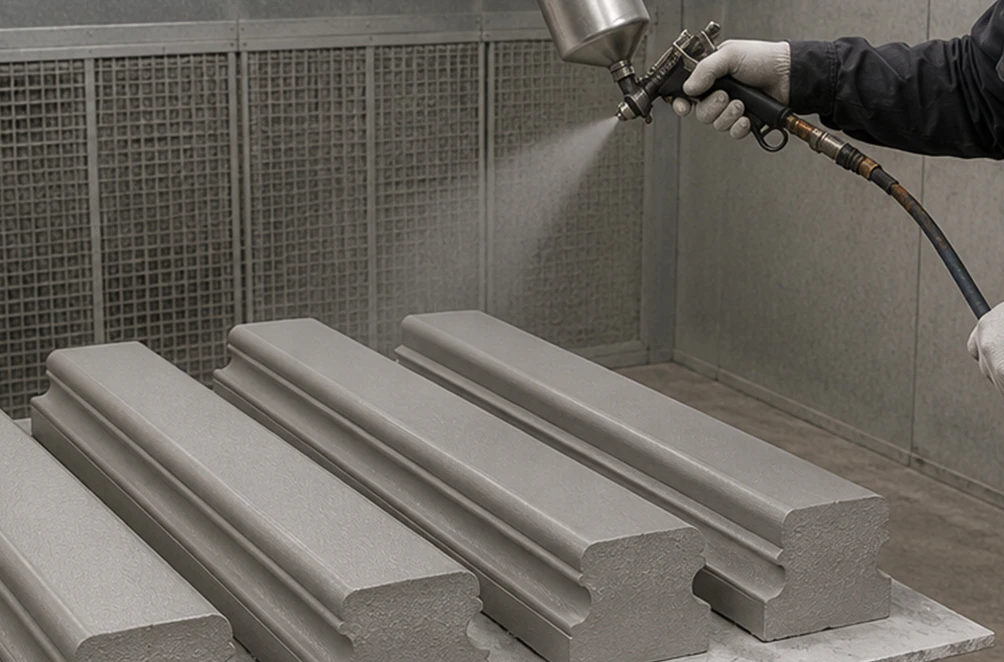
- Armor for a century of performance: Our skilled artisans apply our signature Polyurea hard coat, creating a seamless, impact-resistant, and weatherproof shell designed for decades of durability.
- Verify through rigorous quality control: Every single piece undergoes a multi-point inspection to ensure it meets our exact standards for shape, finish, and structural integrity.
Our commitment extends all the way to your job site, ensuring a smooth and successful installation.
- Protect with secure, custom crating: We build specialized shipping crates for every project, guaranteeing your elements arrive in pristine, ready-to-install condition.
- Streamline your installation: Your pieces are delivered pre-assembled and lightweight, designed to slash on-site labor time and eliminate the need for heavy machinery.
- Support your crew to the finish line: We provide detailed installation guides and offer live Zoom support to answer your team’s questions, guaranteeing a perfect final fit.
It all begins with a deep dive into your project. We work as your technical partner to translate creative intent into a solid, actionable plan.
- Analyze your inputs: We review your architectural plans, CAD files, sketches, and inspirational images to understand your design from every angle.
- Define the scope: In a collaborative consultation, we discuss the project’s aesthetic goals, site conditions, and technical requirements to ensure a perfect fit.
- Establish a technical blueprint: We finalize all specifications, from dimensions to finish textures, creating a clear roadmap for fabrication that aligns perfectly with your vision.
We bridge the gap between concept and cost, providing you with the clarity and confidence to move forward.
- Receive a detailed 3d visualization: We create and send you a precise 3D model, allowing you to see exactly how your custom architectural elements will look before production begins.
- Get a transparent, itemized proposal: You receive a clear, comprehensive quote with no hidden fees. We believe in total transparency, so you know exactly what you’re investing in.
- Maintain complete control for final approval: We don’t proceed until you are 100% satisfied. You have the final say on the design and budget before we move to the next stage.
This is where your approved design becomes a physical reality, crafted with an obsessive focus on quality in our 45,000 sq. ft. workshop.
- Execute with robotic accuracy: Our state-of-the-art CNC hot-wire machines carve your architectural elements with flawless precision, matching your approved 3D models to the exact specification.
- Armor for a century of performance: Our skilled artisans apply our signature Polyurea hard coat, creating a seamless, impact-resistant, and weatherproof shell designed for decades of durability.
- Verify through rigorous quality control: Every single piece undergoes a multi-point inspection to ensure it meets our exact standards for shape, finish, and structural integrity.
Our commitment extends all the way to your job site, ensuring a smooth and successful installation.
- Protect with secure, custom crating: We build custom shipping crates for your elements, ensuring they arrive on-site in perfect, ready-to-install condition.
- Streamline your installation: Your pieces are delivered pre-assembled, designed to slash on-site labor time and eliminate the need for heavy machinery.
- Support your crew to the finish line: We provide detailed installation guides and offer live Zoom support to answer your team’s questions, guaranteeing a perfect final fit.
Client testimonials
From your first idea to the final installation — our process is clear, fast, and designed to make every detail simple.
Let’s bring your vision to life
FAQ
We’re restoring a 1920s courthouse. Can you match the original stone sills so they don’t look out of place?
We get this question a lot — and the answer is a confident yes. Foam isn’t a compromise on aesthetics. We can recreate virtually any historical profile and texture, from weathered sandstone to hand-chiseled granite. One of my favorite projects was a courthouse restoration in Macon, Georgia. The original limestone sills were crumbling and unsafe, but the city didn’t want to lose the building’s character. We scanned the old profiles, reproduced them in foam, and applied a mineral-based coating that mimicked aged stone so convincingly that local preservationists couldn’t tell the difference. It’s one of those moments that still makes us proud.
How fast can you actually deliver? We’ve had suppliers promise four weeks and then delay us for months?
We understand — schedule reliability is everything. Because we manufacture in the U.S. and don’t rely on overseas supply chains, our lead times are predictable. Most standard projects ship in 2–4 weeks, while larger or fully custom jobs rarely exceed 5 weeks. And we don’t leave you guessing: we provide a production timeline upfront and update you at every milestone. That transparency is a big reason many of our clients treat us more like a partner than a vendor.
We’re in South Florida. Salt, humidity, brutal sun — will these window sills hold up, or will we be replacing them in five years?
Foam thrives in harsh climates — in fact, that’s one of its greatest strengths. Its closed-cell structure resists moisture absorption (under 2%), so it doesn’t swell, rot, or delaminate. Our protective coatings are UV-stable and salt-resistant, and many of our projects near the coast are still performing beautifully more than a decade later.
One beachfront condo project in Fort Lauderdale is a great example: installed in 2011, those sills haven’t faded, cracked, or warped — even after endless hurricane seasons.
I’m still unsure about the style direction for my project. Will you help us figure it out, or do we need a fully finished design before coming to you?
You don’t need a finished design at all — we love being involved early. Many of our best projects started as rough sketches or mood boards. We’ll collaborate with you to develop profiles that fit your vision, budget, and technical needs. It’s one of our favorite parts of the job: helping clients go from concept to construction-ready reality. And because we’ve seen thousands of designs over the decades, we can offer guidance that saves time and avoids costly rework down the line.
How fast is installation?
Usually about 165–190 linear feet in four workdays. On a particularly tight downtown site, an entire run was installed with just a small crew and no heavy equipment — and still finished ahead of schedule.
Will it feel quieter next to a busy road?
Absolutely. Most people notice the difference the first evening. The shell reflects harsh noise while the foam core absorbs the rest. At a project near a Miami expressway, the change was dramatic enough that residents started using their outdoor space again.
Can you match our façade color exactly?
Yes — we’re obsessive about that. Foam takes acrylic with precision, and we routinely achieve perfect visual matches. A historic property in Savannah once had us match an aged brick tone, and even the neighbors assumed the new wall was original masonry.
What if we have a big grade change?
No problem. Foam follows contours far more easily than concrete or masonry. Instead of awkward steps, we can create smooth transitions that maintain visual calm and proper drainage.
Will a white finish last in coastal weather?
It will if the system is specified correctly. With the right coating and finish, walls along the Gulf Coast have stayed chalk-free and color-true for years. Occasional rinsing is usually all the maintenance required.
Are foam panels strong enough for high winds?
Yes. When everything is engineered thoughtfully — from precise anchor spacing to slightly shortened modules in the most exposed spots — the fence doesn’t behave like a fragile structure, but like a seasoned sailor standing firm on deck in the middle of a storm. Even hurricane-level coastal winds don’t faze it: it doesn’t shift a millimeter, doesn’t crack, and never gives in to the elements. At one property near Daytona Beach, the fence looked as if it had been installed yesterday, even after an entire storm season — perfectly straight, steady, and untouched. It’s more than just strength; it’s a quiet confidence you can feel when you look at it, as if the architecture itself is saying, “I’m right where I belong — and I’m not going anywhere.”
Can we include a recessed logo without a billboard look?
Definitely. Because foam is so easy to shape, recessed details feel purposeful rather than forced. One Atlanta property incorporated its logo into a shadowed niche with subtle lighting — the effect is elegant by day and welcoming at night.
Is six feet high enough for privacy?
Often, yes. Especially when paired with strategic planting. And if local codes require more, we can add height without creating a fortress-like presence.
What do you need to provide a quote?
Length, height, a style cue, and a few photos. Include a color sample early and we can return strike-offs with the estimate — speeding approvals by up to a week.
We want a wood look without the upkeep.
We can achieve that easily. Slim aluminum fins paired with textured foam surfaces create the warmth and light play of wood without rot, refinishing, or fading. On one residential project, the “wood” still looked fresh three seasons later with nothing more than a garden hose rinse. The result was as visually appealing as natural wood and perfectly matched the desired look of the homeowner.
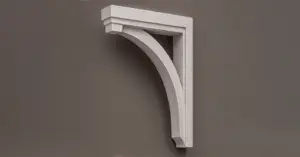
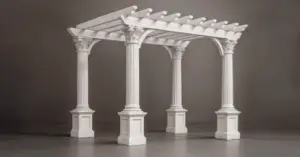
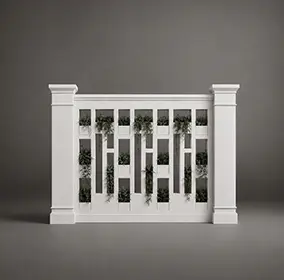
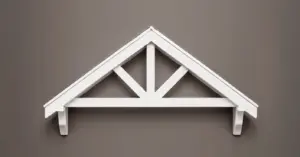
More architectural shapes
We provide architects, builders, and homeowners with turnkey decorative elements that transform any project — fast, easy, and cost-effective.



Blog posts
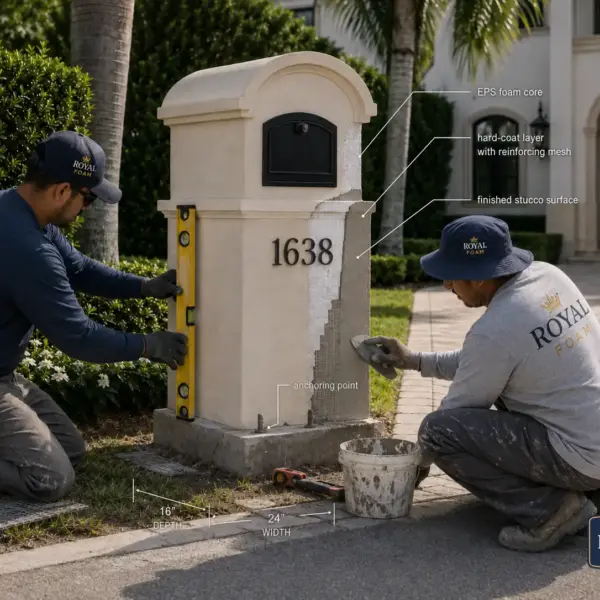
Stucco Mailboxes:
Lightweight Architectural Detail with Masonry-Level Curb Appeal
Traditional masonry mailboxes look solid, but they are heavy, slow to build, and often require more site labor, curing time, and repair work. Modern EPS-based stucco mailboxes offer the same substantial visual effect with less weight, cleaner installation, and wider design freedom.

Decorative Modern Dormer Windows
Decorative Architectural Shapes decorative dormers are designed to bring elegance, depth, and character to any building exterior. A dormer is more than a decorative detail; it is an architectural statement that can transform a plain roofline or window area into a custom, high-end feature.
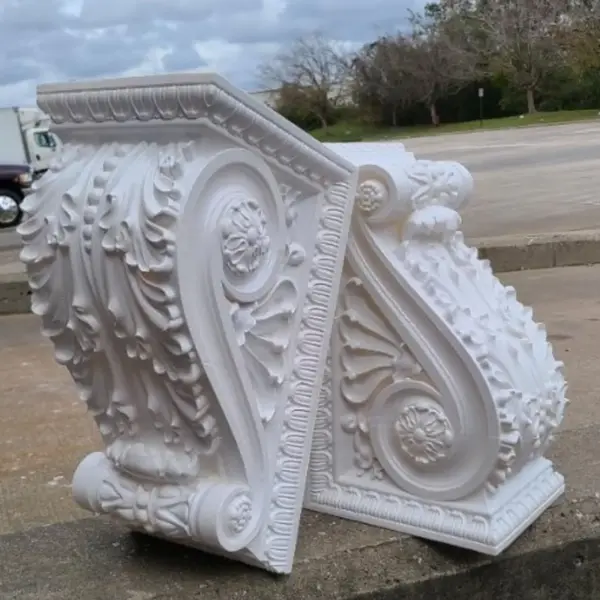
Sills & bands
Architecture is more than aesthetics. It’s a precise language of form, proportion, and purpose that shapes how people interact with a space. And in that language, it’s often the small, precisely designed elements — like modern window sills— that shape how people see and experience a building.

They don’t just finish a facade; they increase its value, boost its performance, and transform the whole project into something that looks intentional and high-end, especially with live plants. As a custom architectural foam manufacturer, Decorative Architectural Shapes has been in this industry long enough to see trends come and go — from breakthrough innovations to short-lived fads — and one thing remains clear: well-designed sills and bands consistently make the difference between a building that’s simply built and one that’s truly remembered. They’re the punctuation marks of a design — the subtle lines and contours that transform a structure from something ordinary into something unforgettable.
We’ve seen this play out time and time again. In downtown Savannah, a once-tired 1920s townhouse came back to life when we replaced its cracked masonry with lightweight exterior sills. In Miami, a luxury condominium complex shifted from “generic contemporary” to “architectural statement” thanks to sleek, continuous bands framing its panoramic windows. These aren’t just products — they’re the details that define a project’s soul.
Clients don’t come to us for “sills.” They come to us when aesthetics must meet engineering. When the budget can’t bend, but expectations are sky-high. When schedules are tight, but compromise is not an option. That’s where we thrive — designing solutions that deliver both beauty and performance without a single unnecessary trade-off.

What modern window sills are — and why they matter so much
It’s easy to underestimate a window sill. Most people think of it as a functional necessity — a drip ledge, a water diverter. And yes, that’s part of the story. But in the hands of an architect, exterior sills are far more: they define shadow lines, guide the eye across a facade, and give a building its sense of proportion, often working together with decorative moldings as one continuous trim language.
They also solve practical problems elegantly. Sills keep water from creeping into wall assemblies, protect finishes from weather, and extend the lifespan of the building envelope. And decorative foam sills — cut from EPS on CNC hot-wire machines and protected with a polyurea hard coat — do it without adding weight or complexity to the structure.
The same is true indoors. Modern interior window sills can act as subtle transitions between materials, create visual hierarchy in a room, or even serve as minimalist ledges that tie interior and exterior design together. Window sills are small details of interior design, but like all good details, window sills are what make a design feel intentional, cohesive, and complete.

How architecture and sills evolved
When we opened our first workshop in the late ’90s, window sills were heavy, poured concrete or carved stone. Window sills were beautiful but limiting in interior design. Shipping costs were high, installation required cranes, and customization was nearly impossible.
Then the design landscape shifted. Clients started asking for cleaner lines, larger windows, faster builds, and lower energy costs. Architects needed materials that could keep up — materials that were flexible, precise, and fast without sacrificing quality. That’s when foam moved from “alternative” to “essential.”
We still smile remembering one of our earliest projects in Jacksonville: a neoclassical apartment building with ornate, three-piece window surrounds. At the time, replicating those in stone would’ve blown the budget and doubled the construction time. With foam, we recreated the look perfectly — 80% lighter, 50% faster to install, and 30% cheaper. That project taught us an important lesson: innovation isn’t about changing the look. It’s about changing the way you achieve it.
Foam technology: a closer look at the advantages
Calling foam “lightweight” is accurate, but it doesn’t tell the full story. The real reason window sills are revolutionizing architecture is because they solve multiple engineering challenges at once. Here’s how:
| Performance Metric | Technical Specification & Field Impact |
|---|---|
| Weight Efficiency | A 6-foot sill weighs about 4–6 lbs — roughly a tenth of the same piece in stone. A crew carries it by hand, and the wall needs no extra support to hold it. |
| Moisture Resistance | The closed-cell core takes in less than 2% water by volume. With so little water getting in, the profile doesn’t crack or swell, even after decades outdoors. |
| Thermal Stability | It expands about 0.02% per °F — around a third of what PVC does. Joints stay closed and long runs stay straight through hot summers and cold snaps. |
| Structural Strength | Once coated, a profile handles more than 60 psi in compression and 100+ psi in tension. Wind loads and the odd bump during installation won’t dent or snap it. |
| Longevity | Expect 30+ years of service. The UV-resistant finish keeps its color and won’t craze, coastal sun included. |
We often explain it like this: stone belongs to another era — beautiful, yes, but heavy, stubborn, and demanding every step of the way. Foam, on the other hand, is built for how we design and build today: it’s light on the structure, smart in performance, and engineered to meet the real pressures of modern construction without slowing anything down.
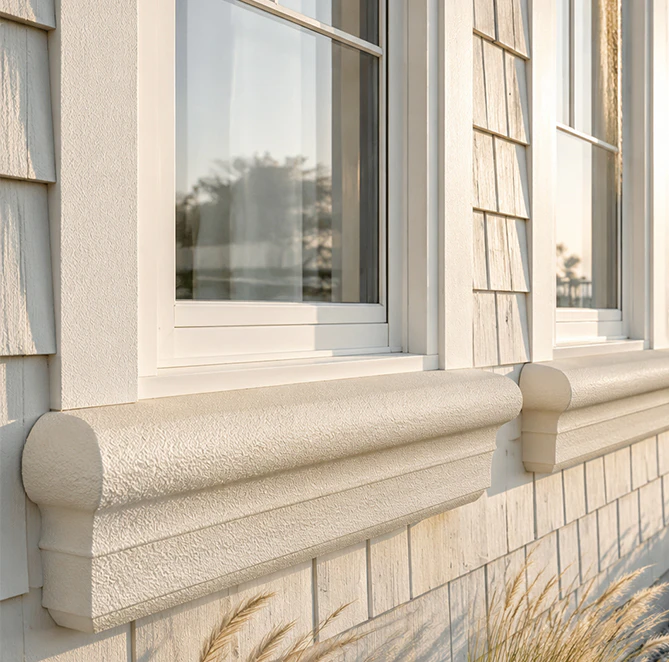
Why traditional materials don’t cut it anymore
Stone and concrete still have a place, but they’re no longer the default. They’re heavy, they require reinforced anchoring, they slow down construction schedules, and they cost more — not just in materials, but in logistics, labor, and equipment.
Window sills made from foam eliminate those headaches:
- Window sills arrive ready to install. Nobody has to cut or trim them on site.
- No crane, no reinforced wall, no foundation redesign to carry the weight. A small crew lifts them into place by hand, so installation stays quick and cheap.
- Curves, deep overhangs, sharp shadow lines, long continuous runs — shapes that would be too heavy or too hard to cut in stone or concrete are routine in foam. Architects get to try the bolder idea instead of the safe one.
- Total installed cost drops by as much as 20–35%. The material is cheaper, but most of the savings come from shipping, labor, and equipment — and since installation goes faster, crews move on to the next scope sooner. On a large development, that can add up to hundreds of thousands of dollars.
- And at the end of the day, they give back something even more valuable: time. And in construction, time is everything.
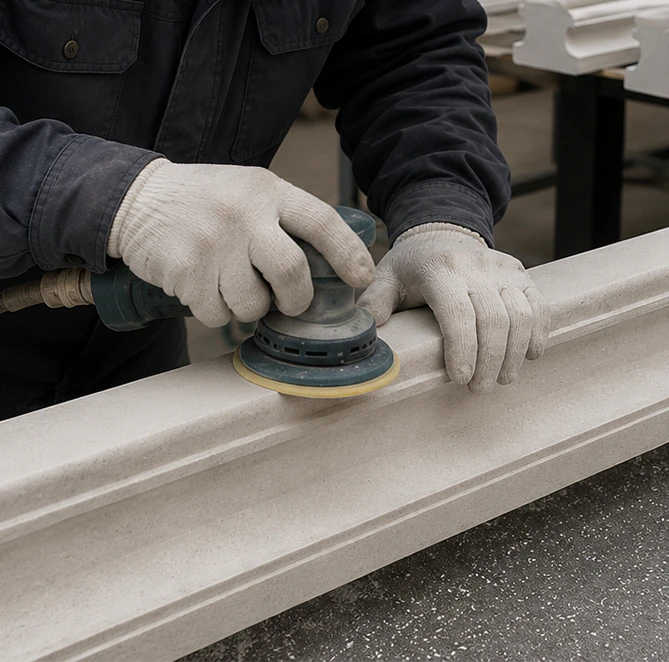
Where sills shape architecture’s identity and performance
Residential applications: precision and performance
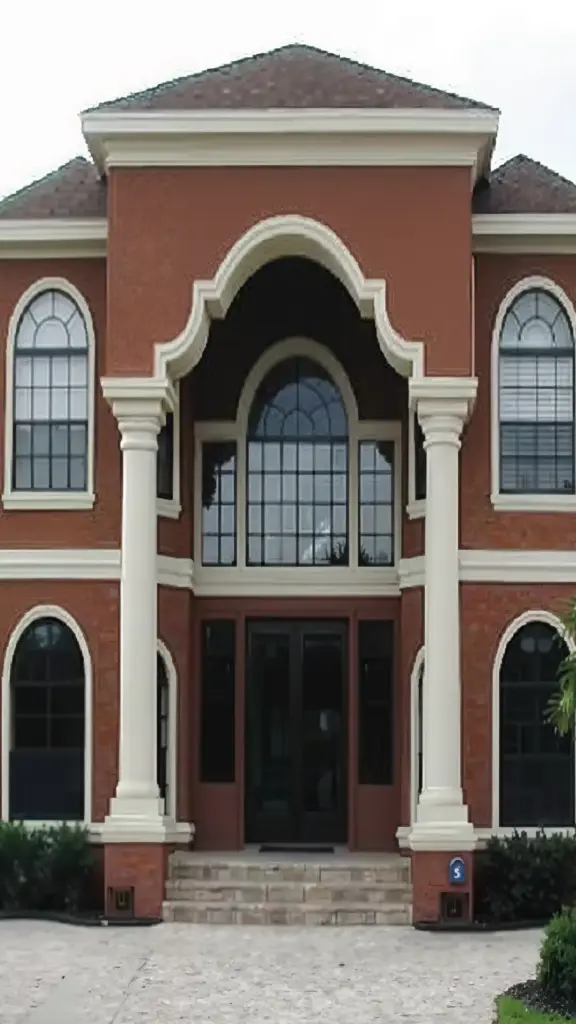
In residential projects, window sills are more than decorative details of the room— they protect facades from moisture, manage water runoff, and define clean visual lines. Lightweight foam components reduce load on walls, integrate easily with common cladding systems, and speed up installation.
On a recent 200-unit development in Orlando, we supplied pre-fabricated decorative window sills labeled by elevation and ready to install, which cut labor time and ensured a uniform, precise finish across the entire project.
We remember a waterfront property in Gainesville that perfectly captures this. The client, a retired pilot, wanted a home that felt “as light as air.” Heavy masonry was out of the question. Instead, we designed ultra-slim decorative window sills with a soft limestone texture, stretching nearly 8 feet in single runs. The result was striking: shadow lines that danced across the facade at sunset, subtle depth without visual heaviness — and a delighted client who said the house felt “like it was floating.”
Commercial projects: where performance drives design
Commercial architecture is a different beast — tighter schedules, stricter codes, higher expectations. Foam thrives here too, delivering scalable solutions without compromising aesthetics.
A great example: a 12-story hotel in downtown Atlanta. The architect’s concept relied on continuous horizontal bands that wrapped the facade like ribbons. In stone, the design was impossible without breaking the budget. With foam, we engineered seamless profiles that met both structural and design requirements. Installation took half the projected time, and five years later, the building still looks like it was finished yesterday — not a single maintenance call.
We see this across office campuses, retail centers, educational buildings, houses and more. Foam components allow developers to focus on what matters — tenant experience, design identity, long-term value — instead of sweating logistics.
How we work: precision, partnership, peace of mind
We don’t ship boxes. We deliver solutions. Every sill and band goes through our own architectural fabrication process and is made to order: we shape the profile and projection to your window openings and facade runs, then finish it in the texture you choose — Sandblast, Quarzputz, Sandpebble, Coral and others, all fully paintable. Every project includes:
- Detailed 3D models of window sills and visualizations for early design decisions of window sills.
- Full technical documentation for window sills: shop drawings, section details, data sheets.
- Installation-ready components for window sills, labeled, packaged, and precisely sized.
We believe installation should feel like assembly, not construction. Our goal is that when your team opens the crate, everything “just fits.” No cutting. No improvisation. No surprises.
Why Decorative Architectural Shapes is more than a supplier
Clients stay with us project after project not because we sell foam — but because we make their jobs easier.
- 25+ years of architectural expertise.
- Manufactured in the United States.
- Design freedom.
- Lead times we plan around your schedule, and shipping we plan down to the crate.
- Someone to call with questions, from the first sketch to the last sill on the wall.
But beyond the bullet points, there’s something else. We care. We care about the architect trying to make their design vision a reality. We care about the contractor racing a deadline. We care about the developer whose reputation rides on the finished result. And we never forget that when you choose us, you’re trusting us with your vision.
Have a project in mind?
Our dedicated specialists are ready to collaborate with you, turning your concept into a detailed plan with a transparent budget. Let’s bring your vision to life!
& specification catalog
Get the definitive guide to our custom decorative architectural foam shapes. This free catalog is packed with hundreds of design profiles, detailed technical specifications, and real-world project applications.