

| color | |
|---|---|
| Depth | 12, 15 |
| Texture | Stone, Wood |
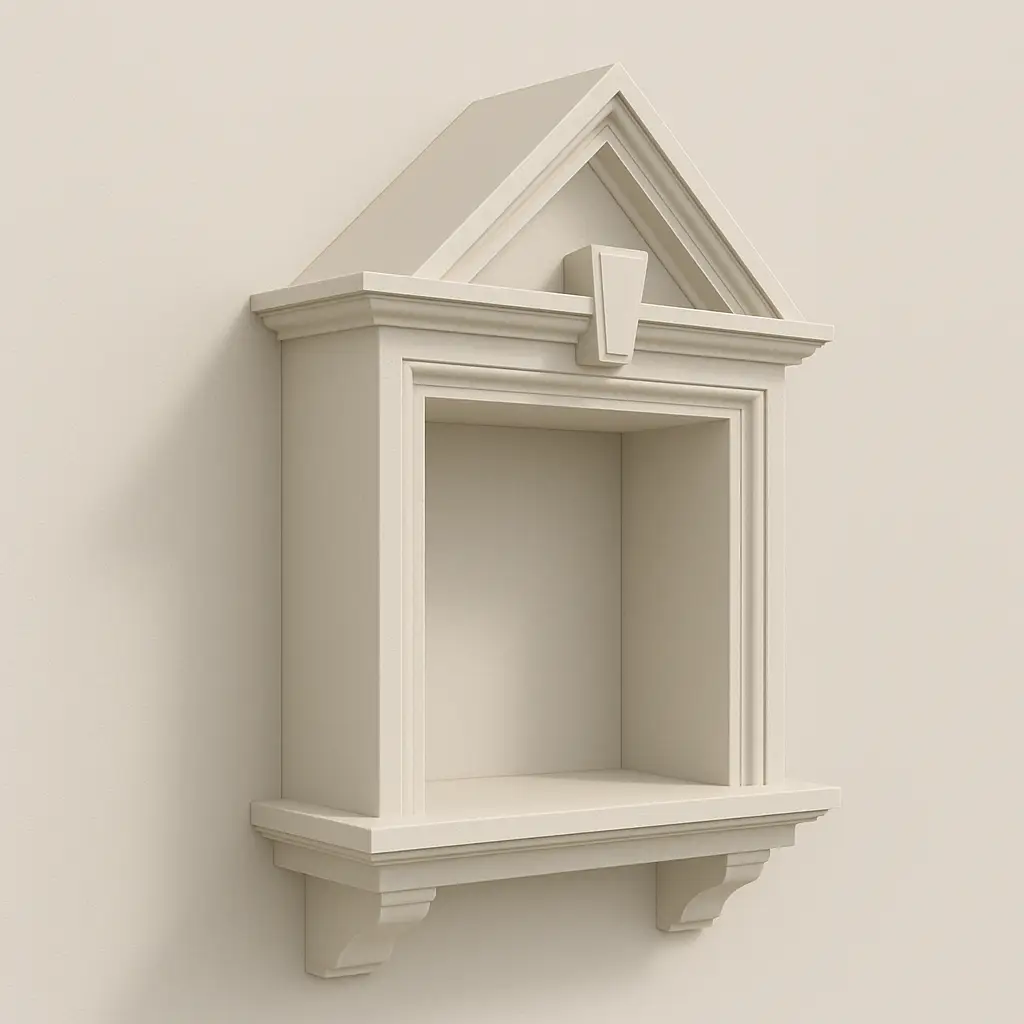
Window Surround 006
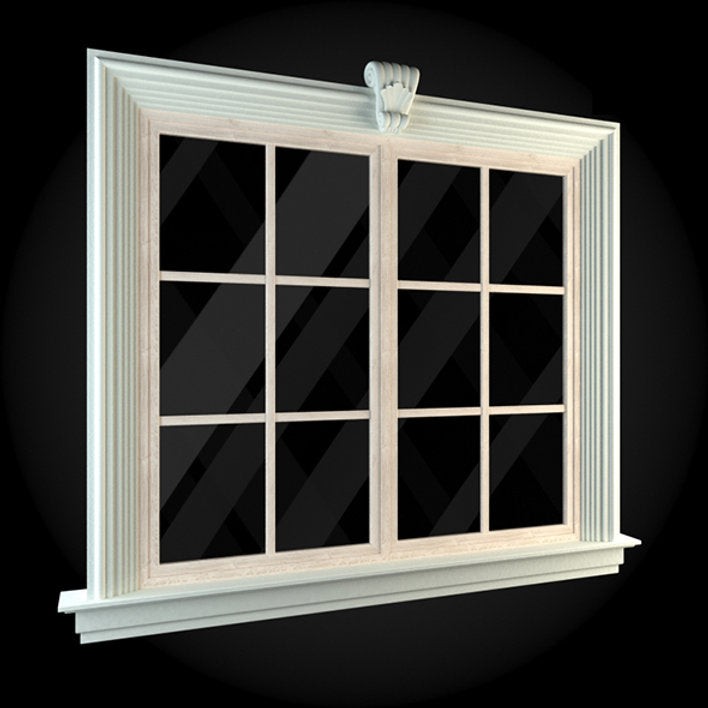
Window Surround 006
trsxdfsdf444
trsxdfsdf2323
from Price range: $500.00 through $700.00
Similar products

0479from $500.00
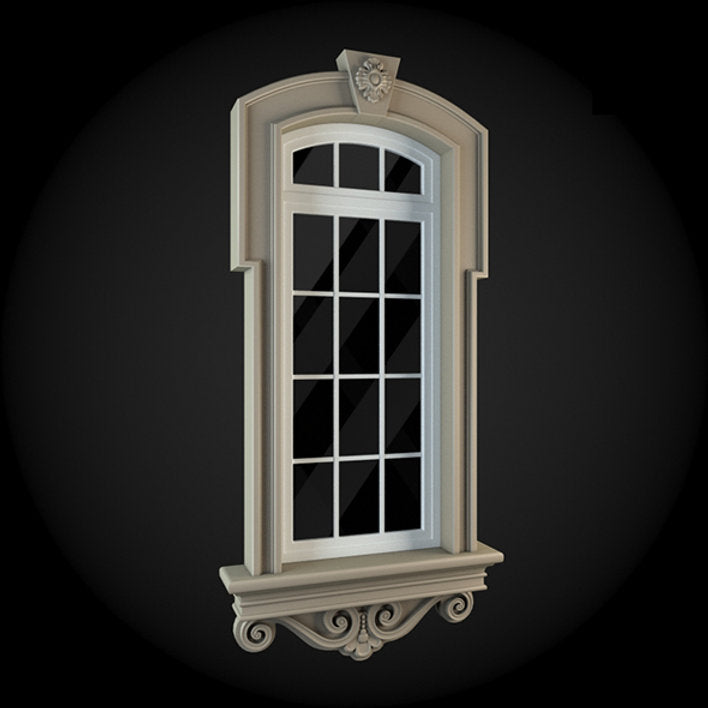
0497from $850.00
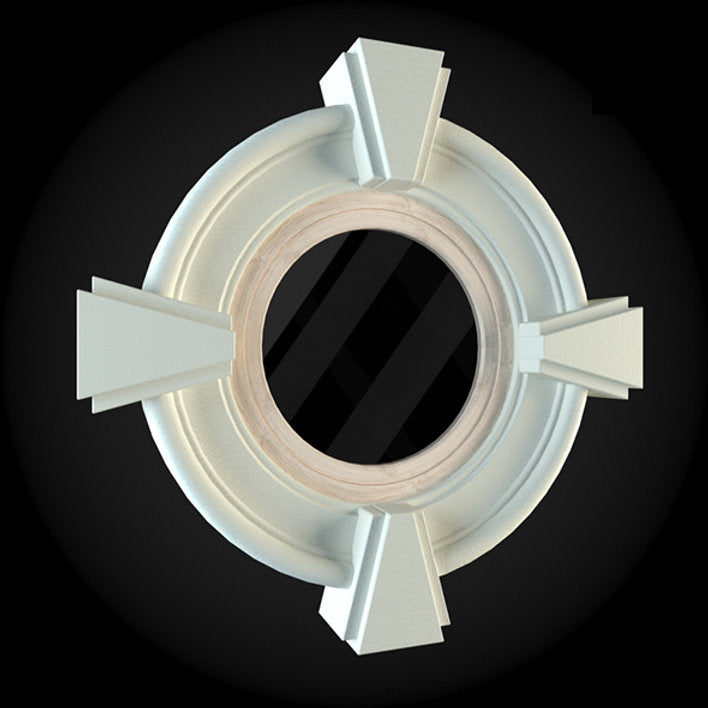
0468from $500.00
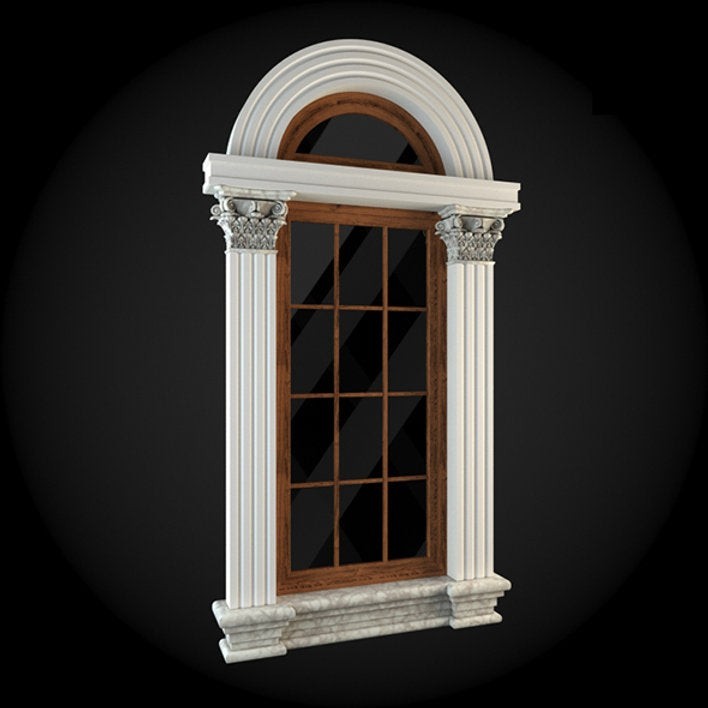
0488from $850.00
0494from $600.00
0476from $975.00

0505from $1,550.00
0489from $1,250.00

0486from $850.00
0512from $2,500.00
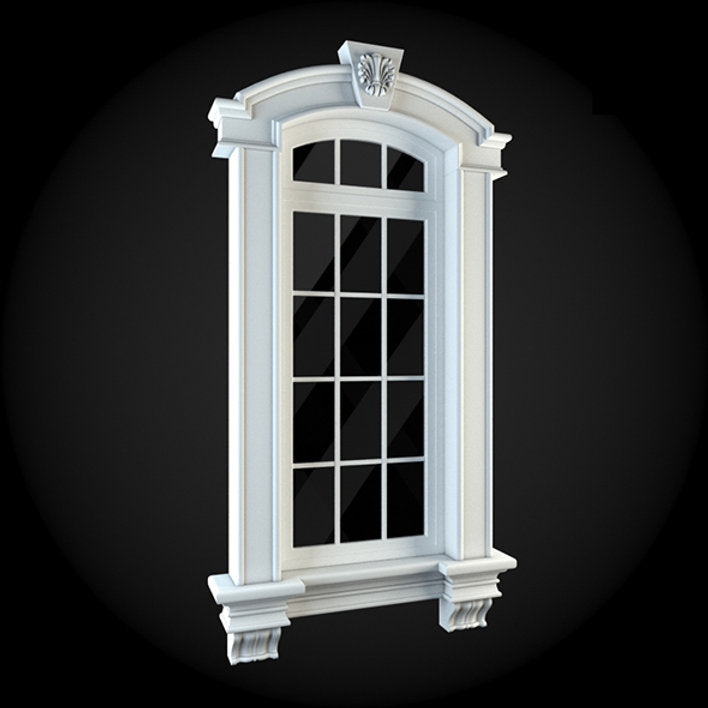
0498from $600.00
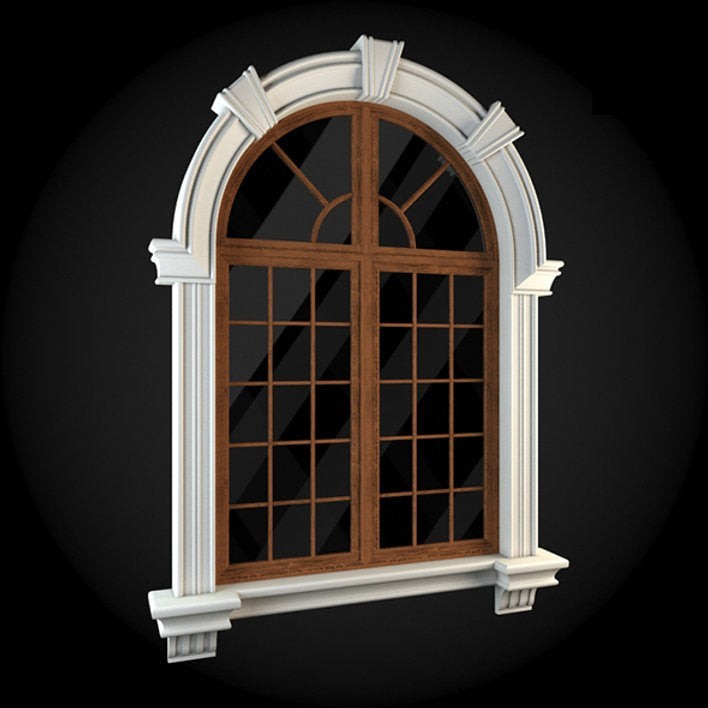
0483from $600.00

0500from $750.00
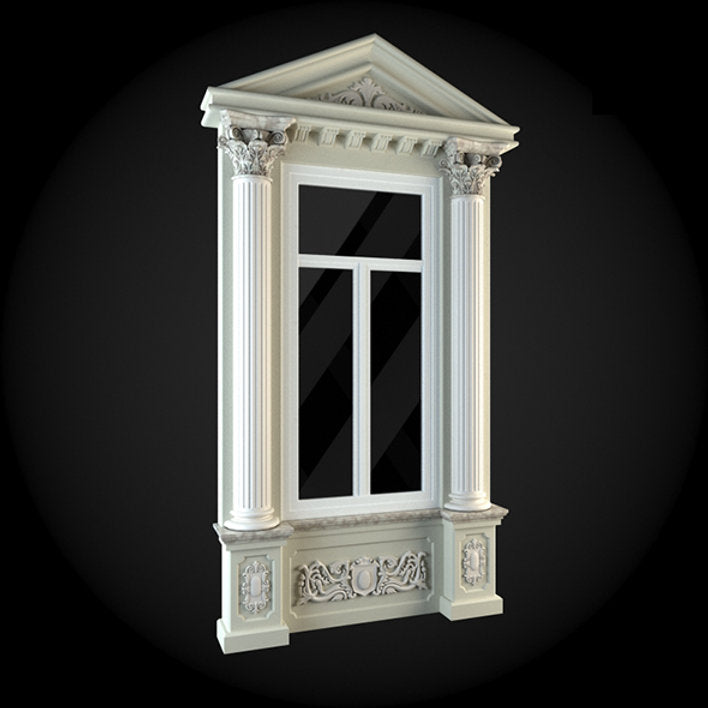
0478from $1,950.00

0472from $750.00
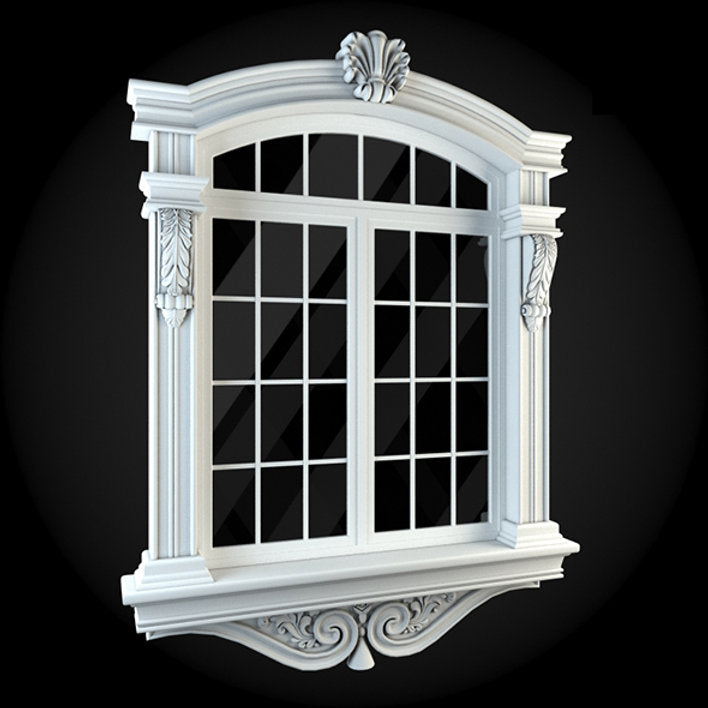
0501from $975.00

0496from $500.00

0477from $1,750.00
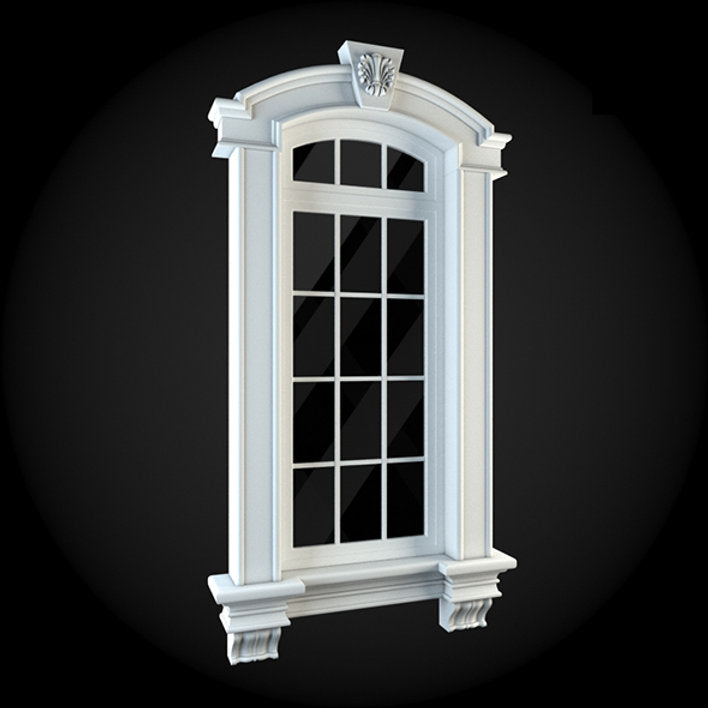
0499from $650.00
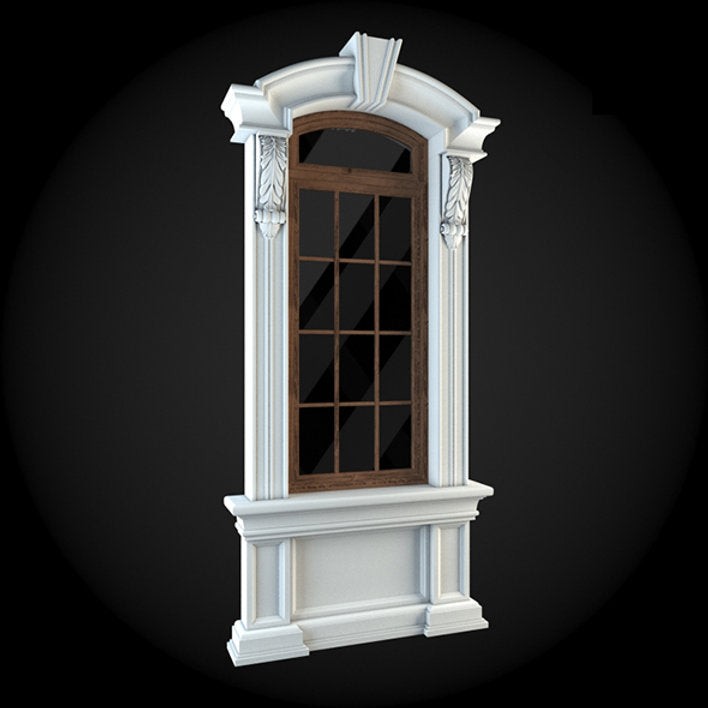
0506from $1,250.00
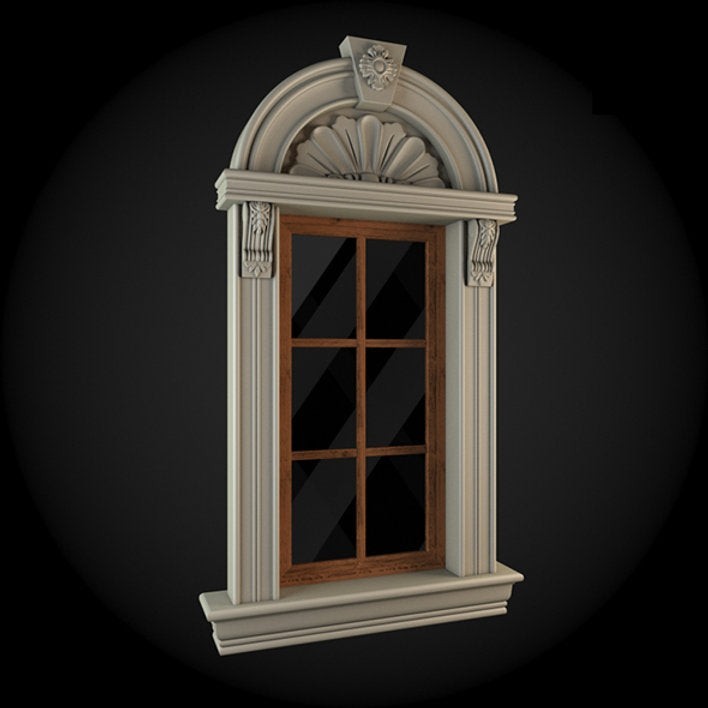
0485from $850.00
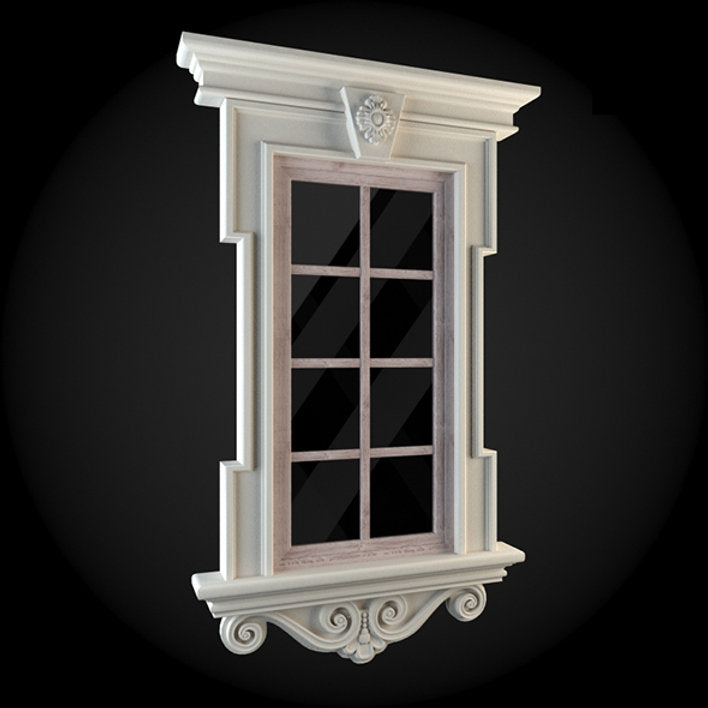
0474from $750.00
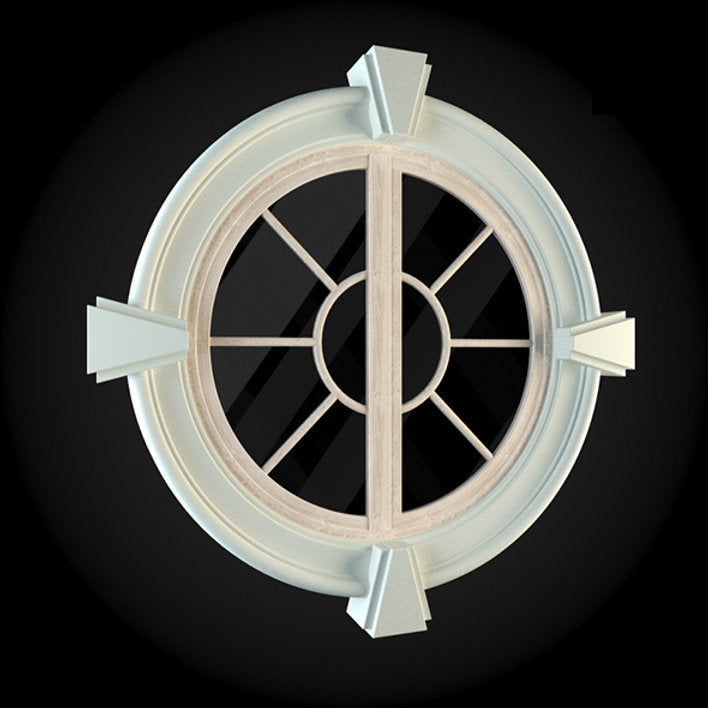
0466from $500.00
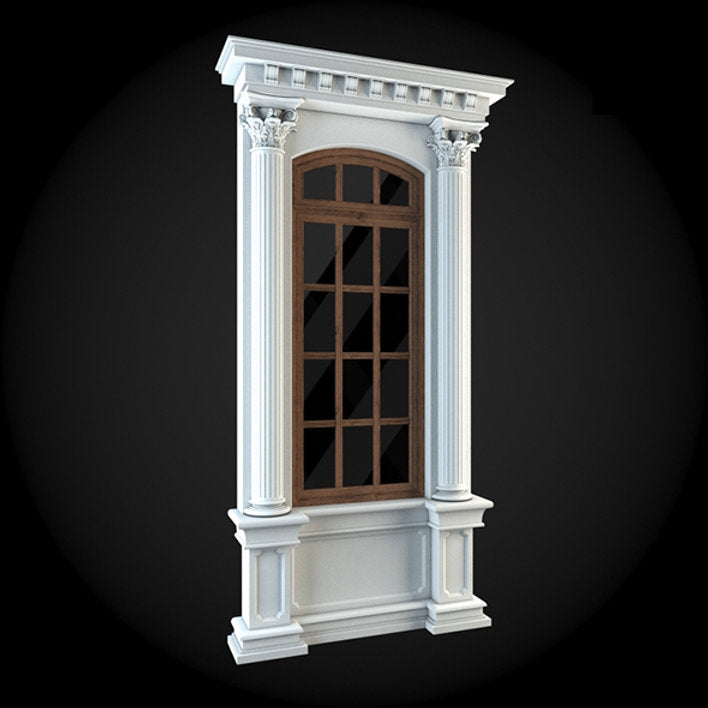
0509from $1,550.00
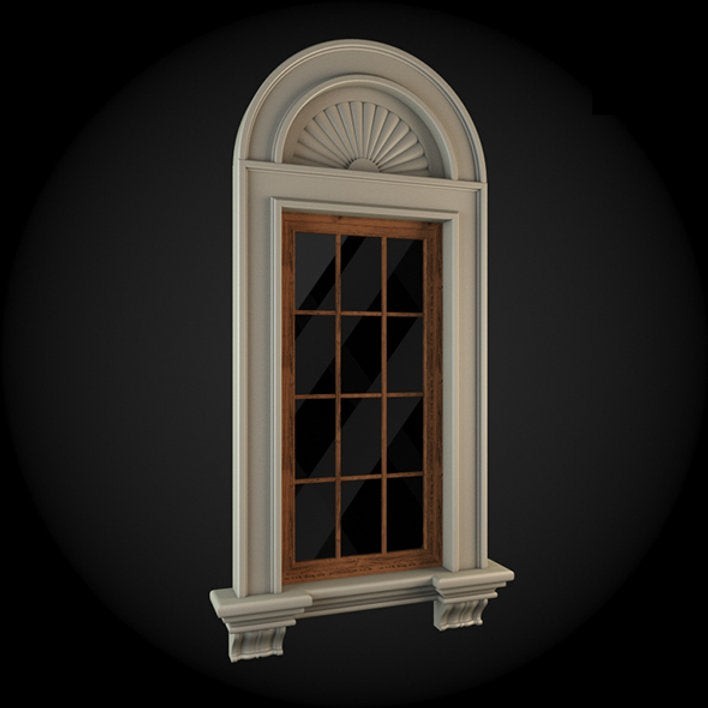
0484from $600.00
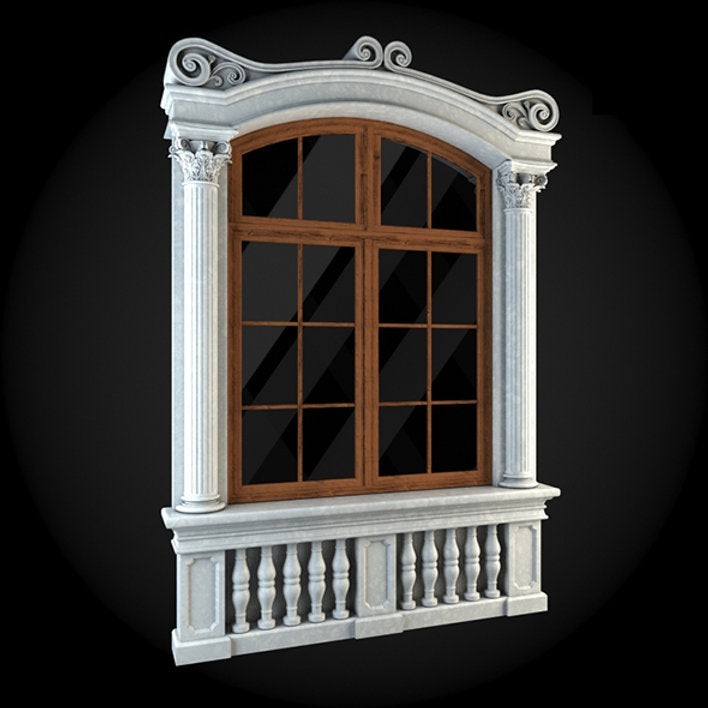
0503from $1,550.00

0463from $500.00
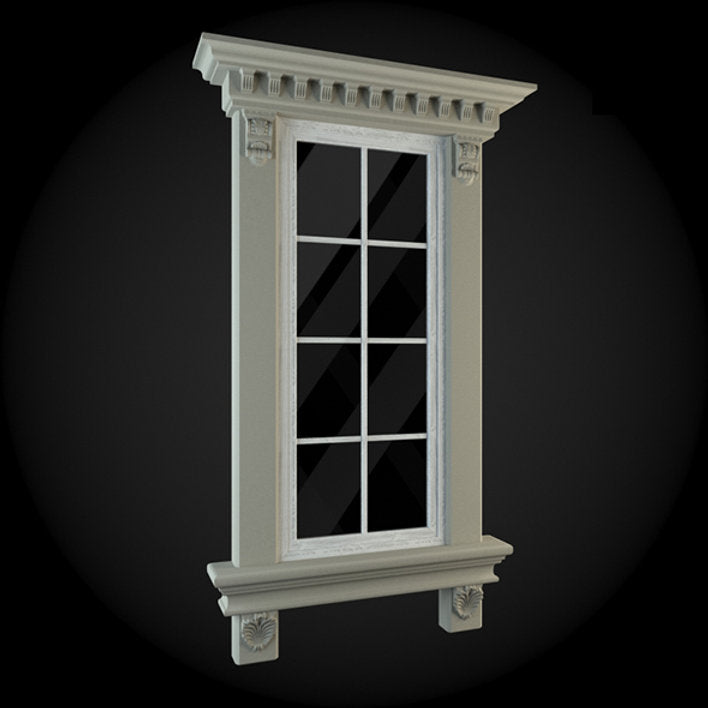
0473from $750.00
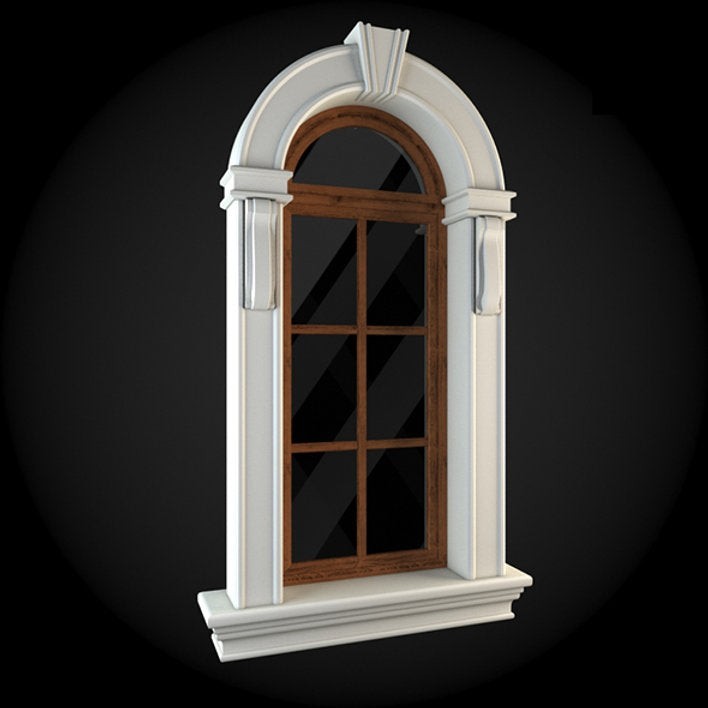
0480from $500.00
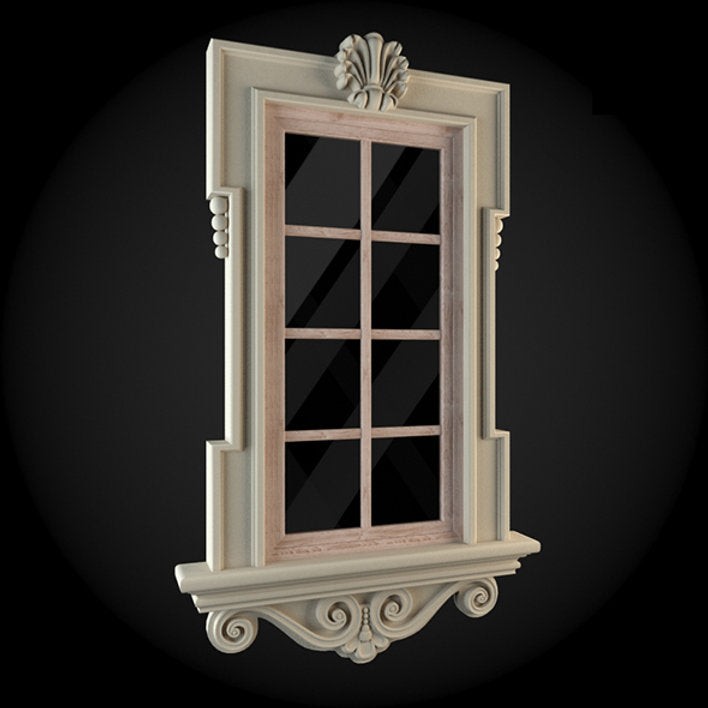
0475from $750.00
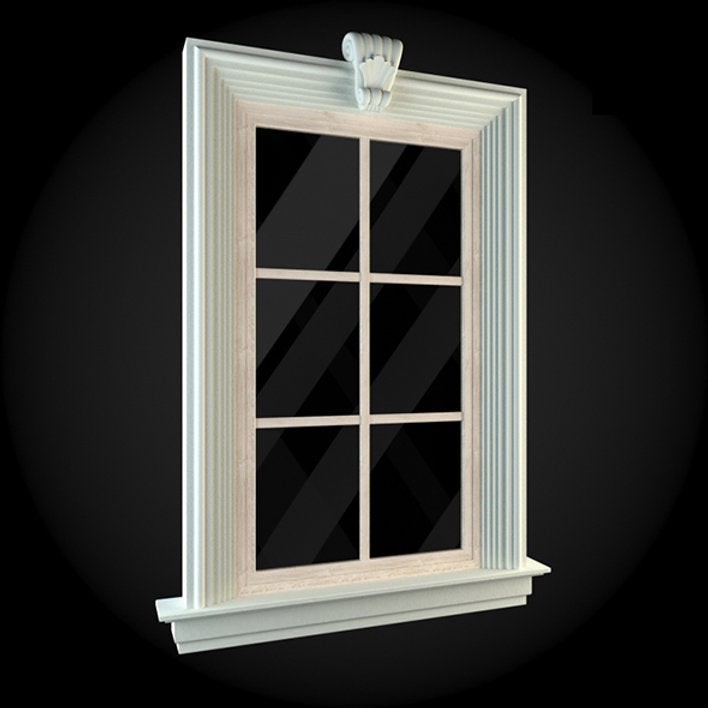
0464from $500.00
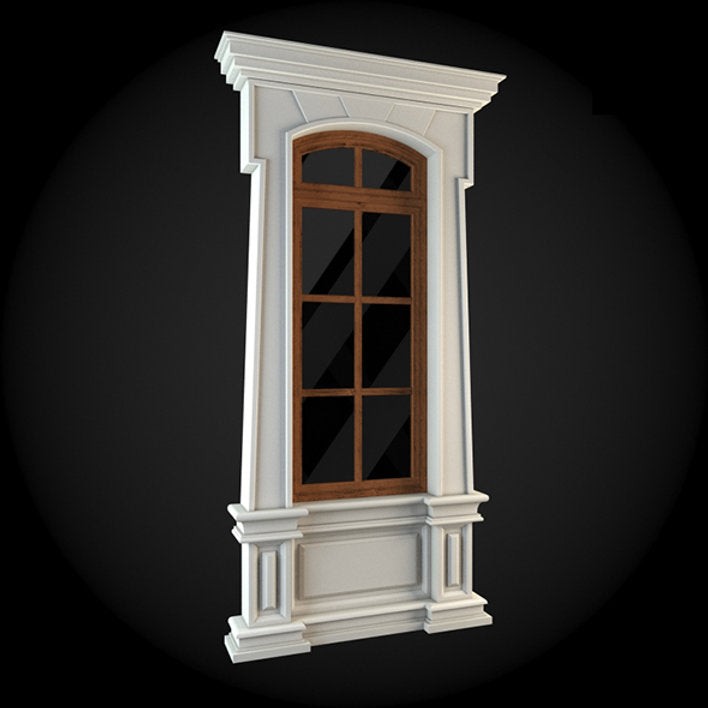
0504from $1,250.00

0508from $1,250.00
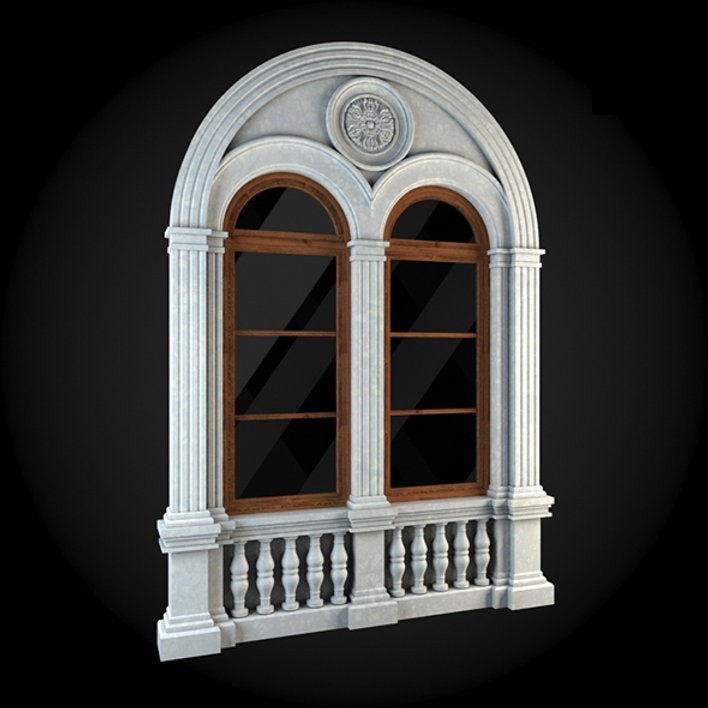
0492from $1,950.00

0495from $600.00

0460from $500.00
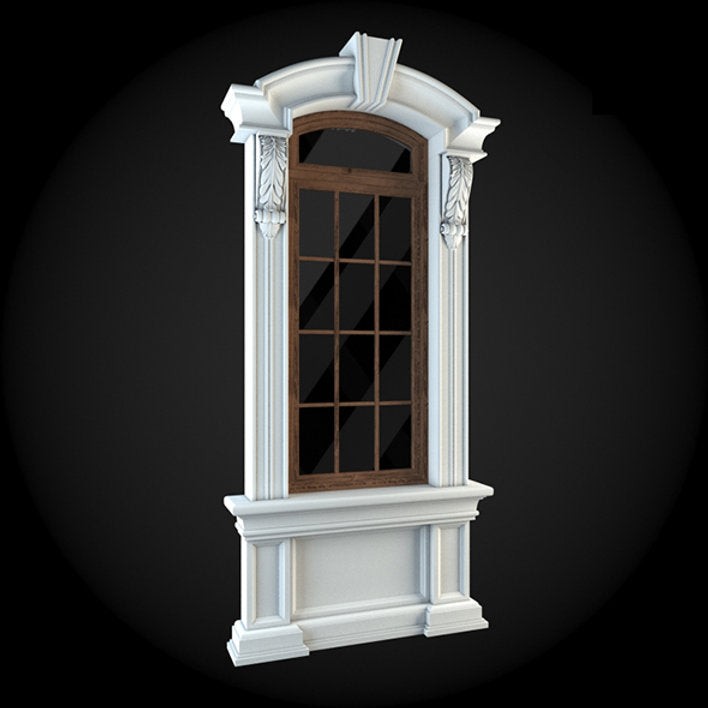
0507from $1,250.00
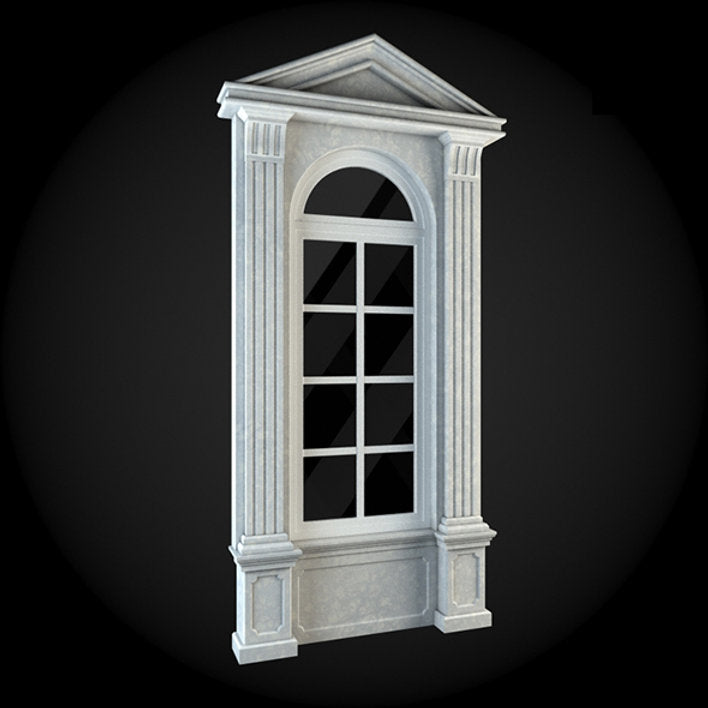
0490from $1,550.00
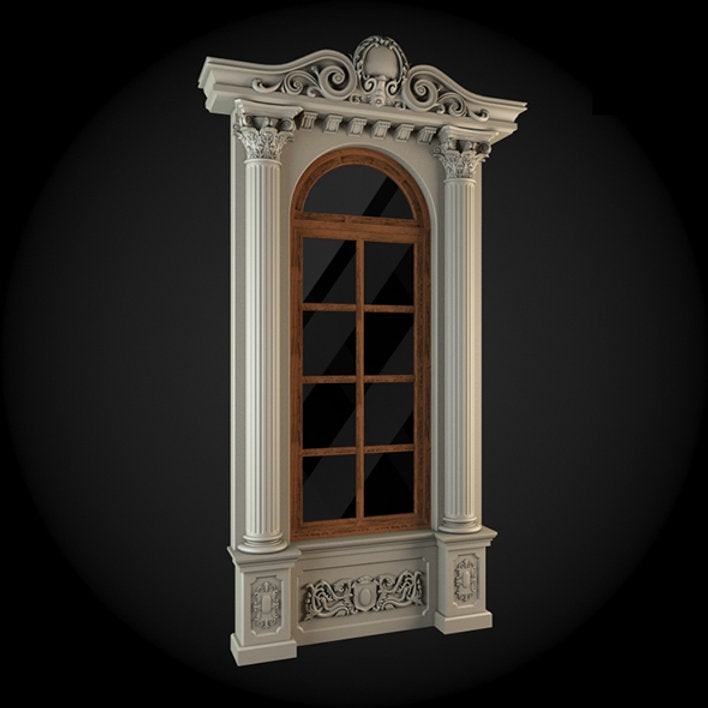
0491from $1,950.00

0511from $1,500.00

0482from $600.00
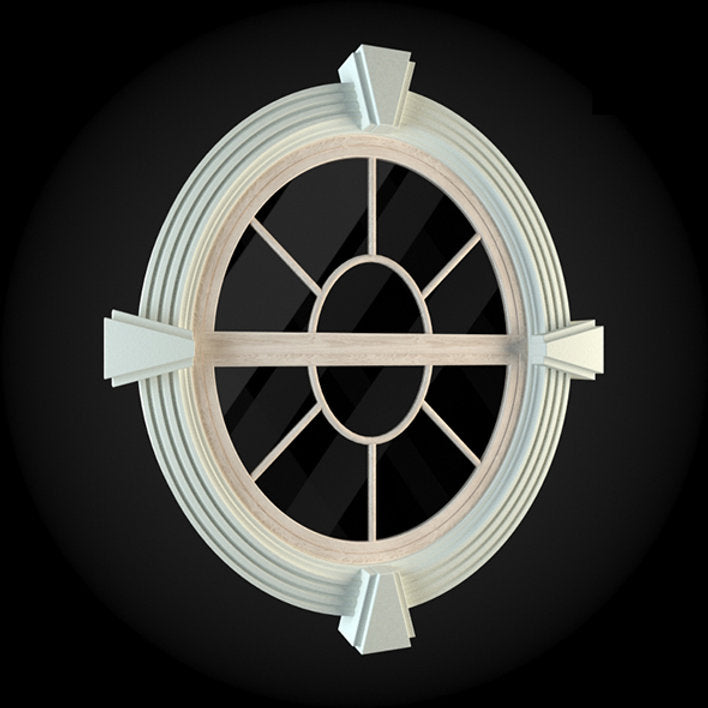
0469from $500.00
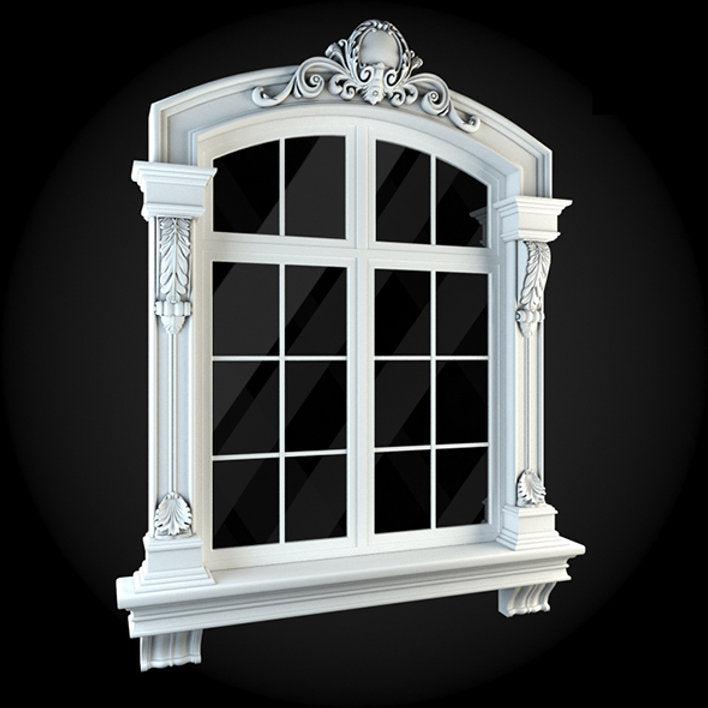
0502from $975.00
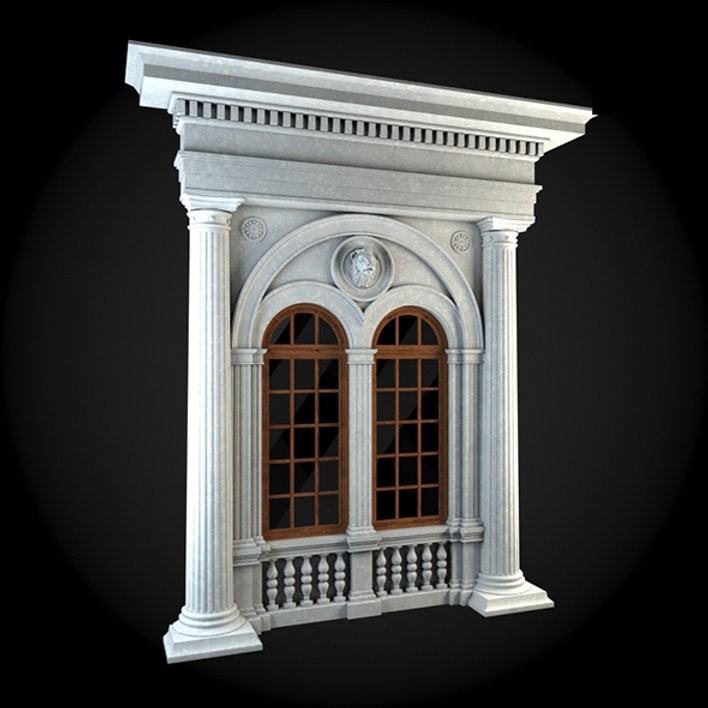
0493from $2,750.00
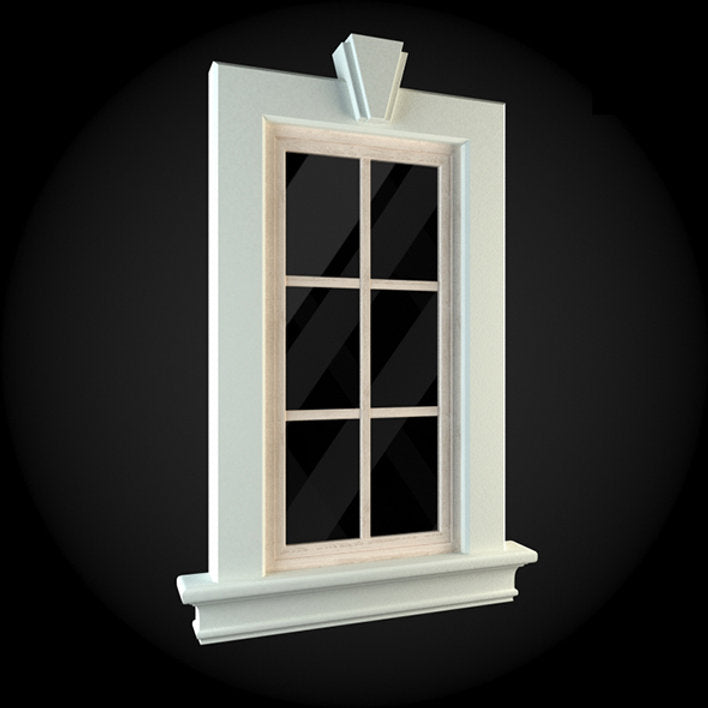
0461from $500.00

0462from $600.00
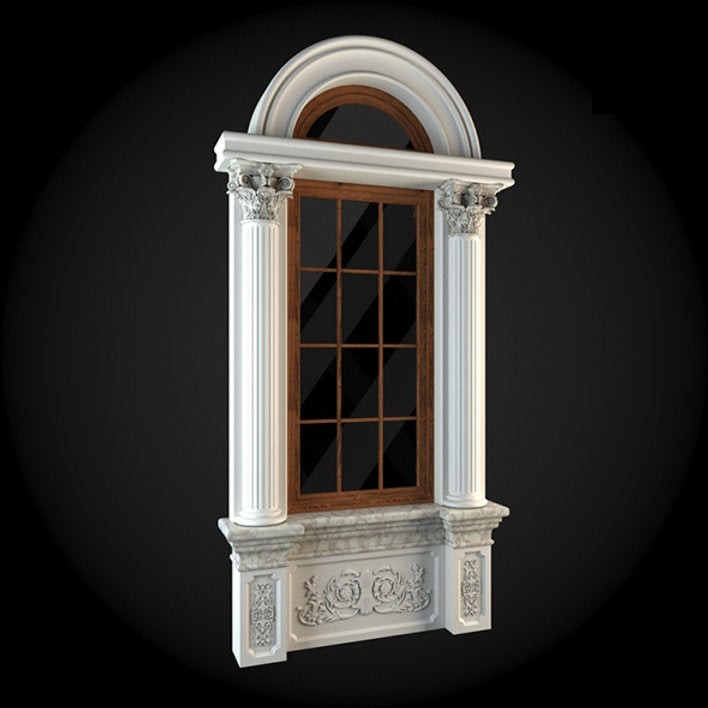
0487from $1,750.00
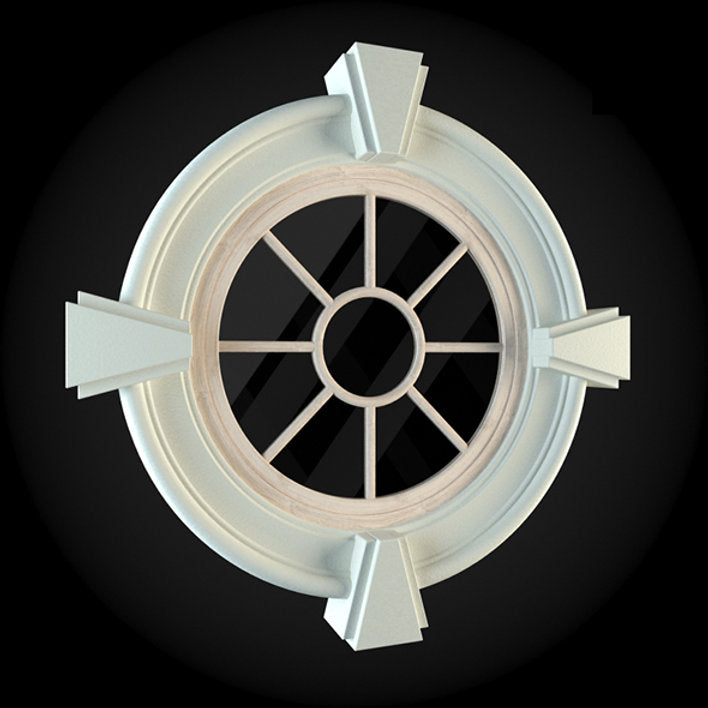
0467from $500.00

0510from $1,250.00

0470from $500.00

0481from $600.00

0471from $500.00
Architectural Shapes — your trusted partner
We create custom decorative shapes for architects, builders, developers, hotels, and homeowners — delivering elegant, durable, and easy-to-install solutions across the USA.
Expert craftsmanship, design precision
Our team draws from decades of experience in classical and modern architecture, ensuring each column delivers both visual elegance and structural reliability.
Lightweight yet strong materials
Unlike traditional stone, our EPS-based columns are reinforced and coated for strength. They’re easy to install, highly durable, and weather-resistant — perfect for any U.S. climate.
Fully customizable options
From proportions and fluting to base and capital details, every element can be tailored to match your project’s style and scale.
Client testimonials
From your first idea to the final installation — our process is clear, fast, and designed to make every detail simple.

The architect’s design called for a series of complex curved dormers that would have been a nightmare to frame and waterproof on-site. Decorative Architectural Shapes delivered flawless, lightweight units that fit the CAD files to the millimeter. We installed four in one day. It saved us weeks on the schedule and gave the client a result that was better than we could have achieved with traditional methods. This is a game-changer for custom home building.
Value engineering is the death of great design. I was told my vision for a series of large, floating dormers was structurally impractical and too costly. Decorative Architectural Shapes was the partner that said ‘yes.’ Their engineering team worked with us to create these massive, yet incredibly lightweight, elements that realized the design intent perfectly without overloading the roof structure. They don’t just sell a product; they enable better architecture.
FAQ
What technical documents are included?
Our architectural dormer windows surrounds are supplied with a complete set of technical documentation, starting with drawings, as well as installation diagrams, assembly and installation instructions, roof-tie details, hardware specifications, and additional guidance when working with non-standard architectural components. If needed, we also provide standards and quality specifications for the manufactured products in accordance with U.S. building and fire-safety codes.
Are these compatible with different roof materials?
Yes. We design connection details for metal panels, shingles and tile roofs, ensuring proper waterproofing and clean integration.
Are foam dormers suitable for modern minimalist architecture?
Absolutely. Foam allows razor-sharp edges and seamless planes. A project near Orlando featured five ultra-minimalist modern shed dormer windows that would have been difficult in heavier materials.
Are all elements delivered painted?
Always. Every exterior dormer windows surrounds arrives fully finished, requiring no priming, sanding or coating on site.
How fast is installation?
Usually about 165–190 linear feet in four workdays. On a particularly tight downtown site, an entire run was installed with just a small crew and no heavy equipment — and still finished ahead of schedule.
Will it feel quieter next to a busy road?
Absolutely. Most people notice the difference the first evening. The shell reflects harsh noise while the foam core absorbs the rest. At a project near a Miami expressway, the change was dramatic enough that residents started using their outdoor space again.
Can you match our façade color exactly?
Yes — we’re obsessive about that. Foam takes acrylic with precision, and we routinely achieve perfect visual matches. A historic property in Savannah once had us match an aged brick tone, and even the neighbors assumed the new wall was original masonry.
What if we have a big grade change?
No problem. Foam follows contours far more easily than concrete or masonry. Instead of awkward steps, we can create smooth transitions that maintain visual calm and proper drainage.
Will a white finish last in coastal weather?
It will if the system is specified correctly. With the right coating and finish, walls along the Gulf Coast have stayed chalk-free and color-true for years. Occasional rinsing is usually all the maintenance required.
Are foam panels strong enough for high winds?
Yes. When everything is engineered thoughtfully — from precise anchor spacing to slightly shortened modules in the most exposed spots — the fence doesn’t behave like a fragile structure, but like a seasoned sailor standing firm on deck in the middle of a storm. Even hurricane-level coastal winds don’t faze it: it doesn’t shift a millimeter, doesn’t crack, and never gives in to the elements. At one property near Daytona Beach, the fence looked as if it had been installed yesterday, even after an entire storm season — perfectly straight, steady, and untouched. It’s more than just strength; it’s a quiet confidence you can feel when you look at it, as if the architecture itself is saying, “I’m right where I belong — and I’m not going anywhere.”

Your essential design
& specification catalogDownload Free Catalog
& specification catalog
Get the definitive guide to our custom decorative architectural foam shapes. This free catalog is packed with hundreds of design profiles, detailed technical specifications, and real-world project applications.
Let's build something great together
Have a project in mind?
Our dedicated specialists are ready to collaborate with you, turning your concept into a detailed plan with a transparent budget. Let’s bring your vision to life!
More architectural shapes
We provide architects, builders, and homeowners with turnkey decorative elements that transform any project — fast, easy, and cost-effective.
Architectural columns
Door surrounds
Faux stone column wraps and lamp posts
Stucco mailboxes
Louvers and shutters
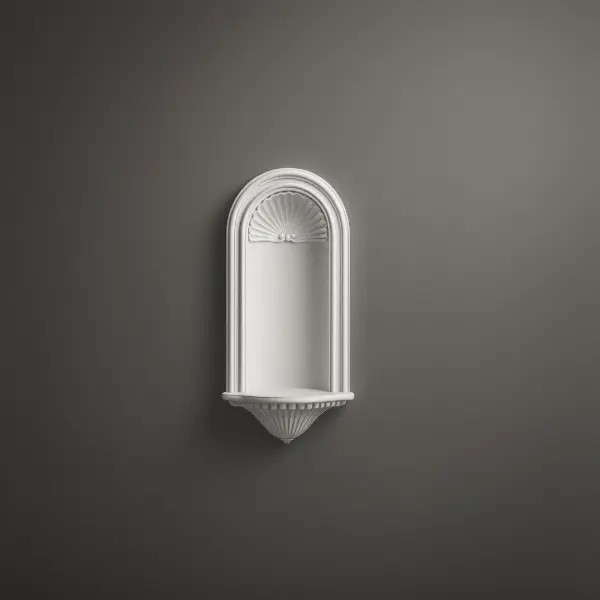
Exterior wall niches
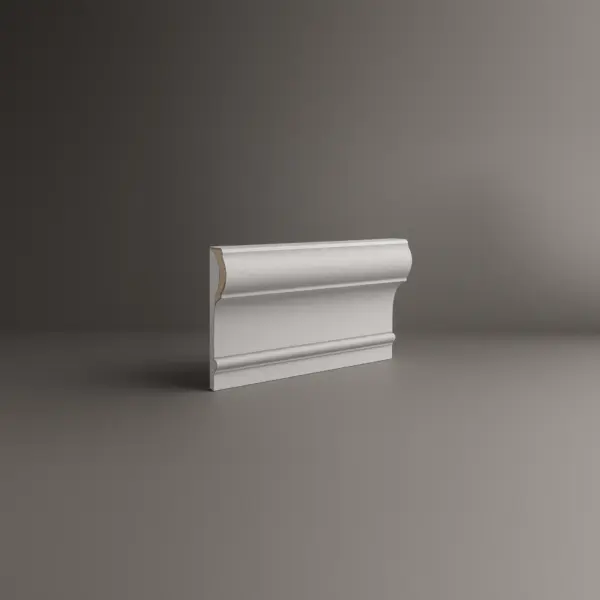
Decorative moldings
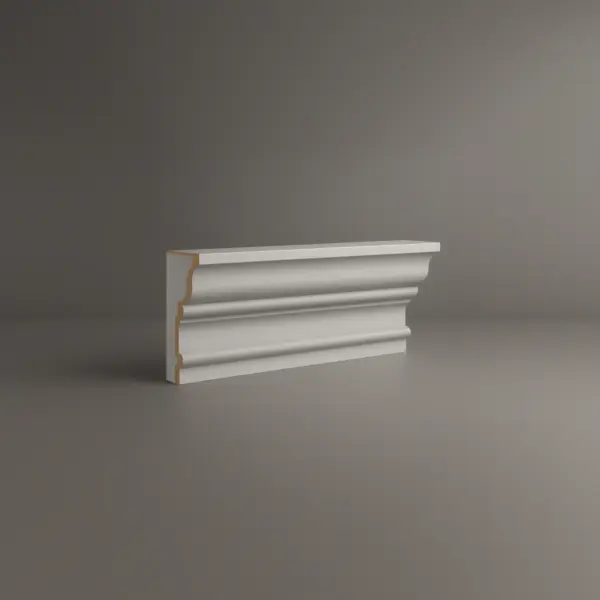
Decorative trims
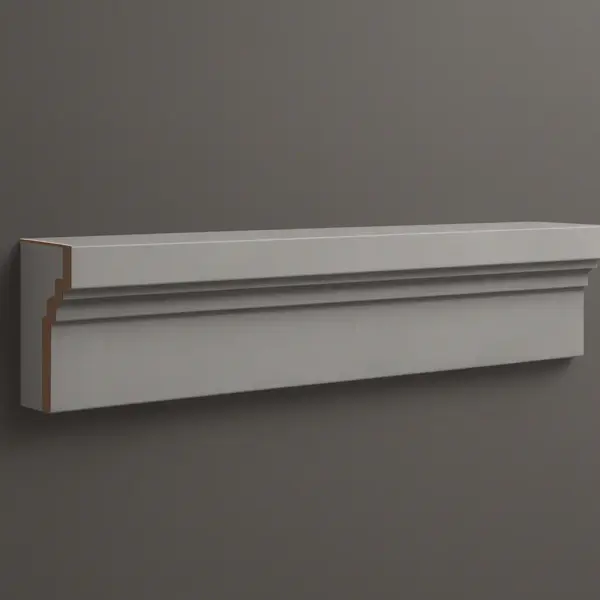
Sills and bands
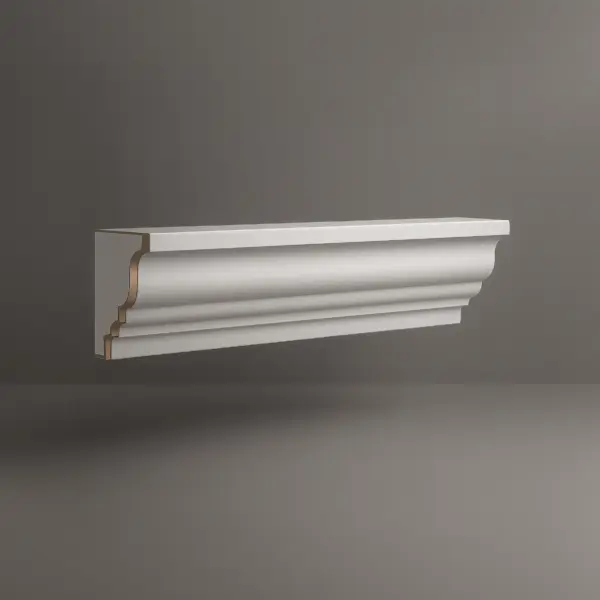
Crown moldings
Blog posts
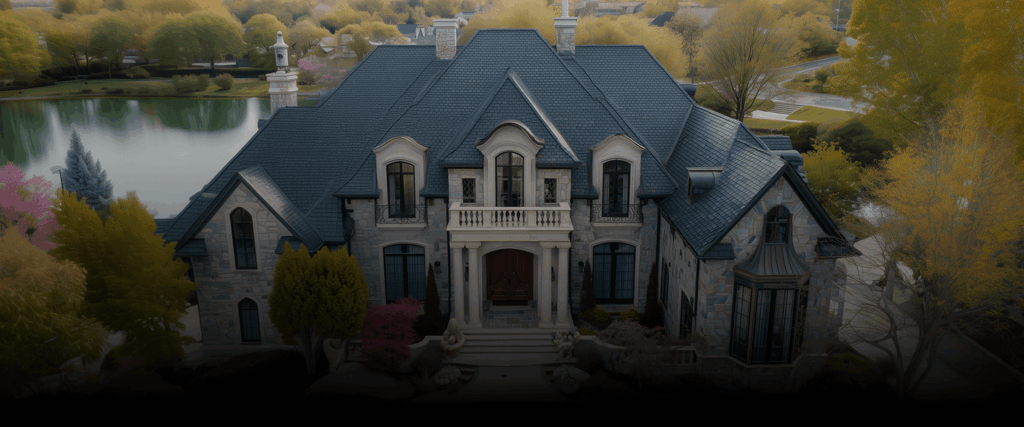
5-minute read
How to choose exterior decor for a classic home
Why ready-to-install solutions reduce construction time and cut costs for developers. Real exampl…
5-minute read
Easy installation: Why pre-assembled solutions s…
Why ready-to-install solutions reduce construction time and cut costs for developers. Real exampl…
5-minute read
Made in USA: Why it matters for clients
Why ready-to-install solutions reduce construction time and cut costs for developers. Real exampl…
Architctural dormer window surrounds
In the architecture of a modern building, there are details and elements that don’t scream for attention.
They aren’t meant to be the star of the façade or the main visual centerpiece, yet they play a crucial role in forming the building’s integrity and giving it a distinct character. Architectural dormer windows surrounds belong to this category.
Made from high-density foam, these surrounds allow architects and engineers to achieve precise structural results because they do not overload the building’s walls or roof system. They install predictably, they make the building look complete and cohesive, and they harmonize the overall appearance of the structure. At the same time, they can be installed quickly and without unnecessary complications.
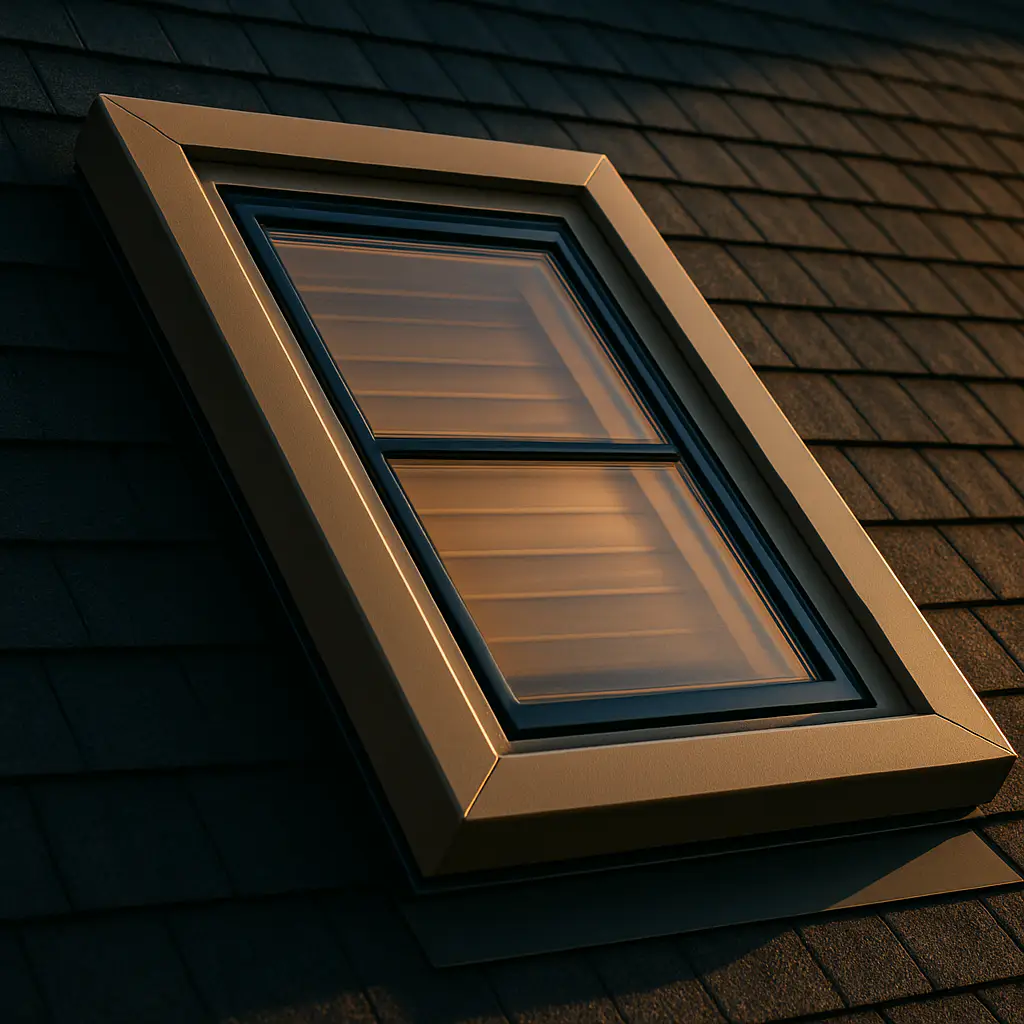
Anyone who works with faсades — whether an architect, installer or designer — knows that when elegant flat roof dormer windows are included in the drawings, they almost always bring a set of additional challenges. Weight calculations begin to rise, roofing contractors become concerned about overloading the rafters, and decorative solutions made from heavier materials often become impossible.
Installers also frequently face on-site issues: trimming, sanding, or adjusting details that don’t quite match the roof geometry. With dormer windows, this happens especially often because their shapes tend to be more complex and non-standard.
This is exactly why Architectural dormer window surrounds are an excellent alternative to natural materials. They simplify workflows, solve practical engineering tasks, and provide the visual result the design requires. Additionally, the coatings and finishes we apply to each architectural element ensure long-term performance. The colors do not fade, the finish remains stable for many years — a durability we confidently support with a 20-year warranty.
We’ve been manufacturing architectural foam elements for 25 years, and we fully understand how to keep your project’s budget optimal without compromising on the quality or visual appearance of the architectural components.
A decorative dormer windows surround made from architectural foam allows you to solve both practical tasks and the aesthetic harmonization of the façade. And since we fabricate these elements fully finished — painted, protected with a durable coating, and ready for installation — all that remains is to place them on the building.
Every project is delivered with full technical documentation, installation instructions, assembly guidelines, and, if required, we provide individual consultation and support for each project.
Dormer windows definition and architectural value
A basic dormer window definition describes a vertical opening built into the slope of a roof. But the architectural value goes far deeper.
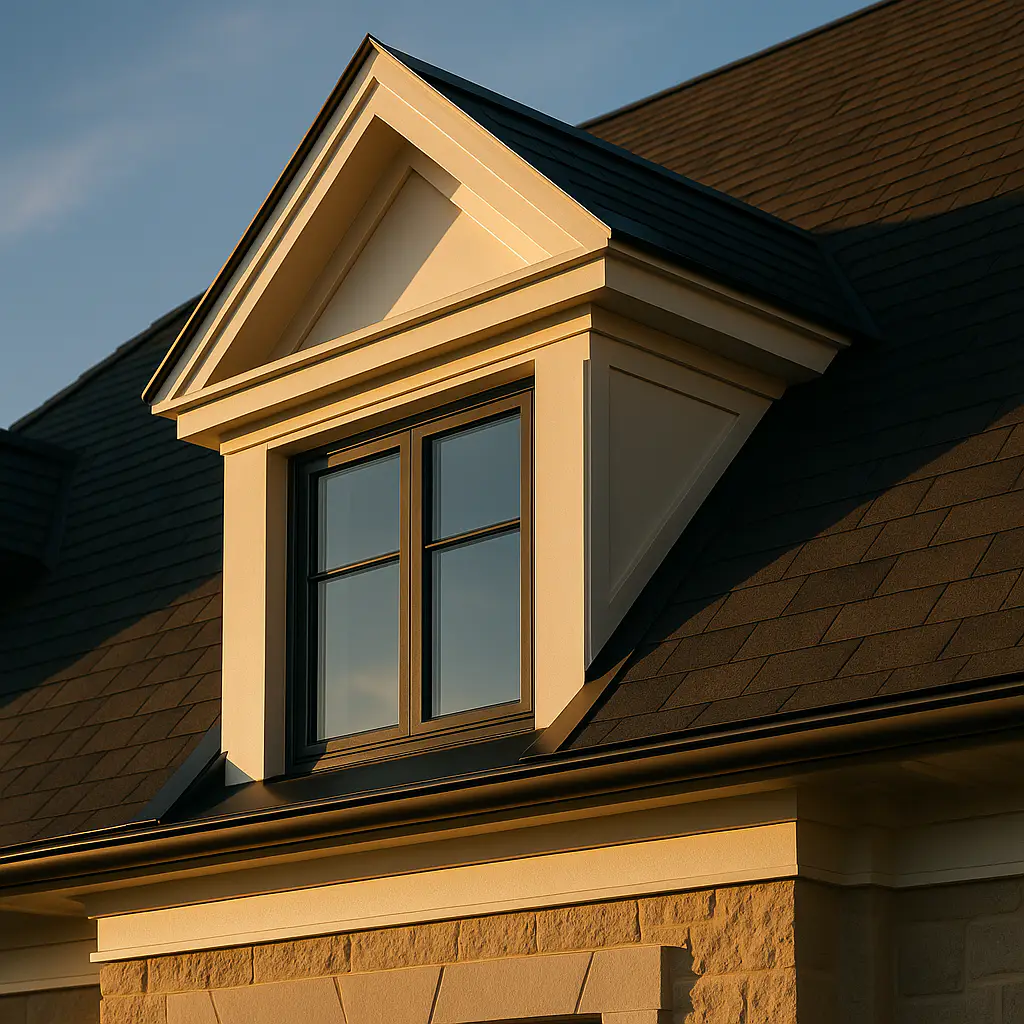
Dormer windows (shed dormer, gabled dormer or sloped dormer):
- introduce rhythm and verticality to the roof plane;
- visually “lift” the mass of the building without requiring additional floors;
- give the façade a recognizable silhouette that supports the project’s branding;
- dramatically improve dormer windows inside by creating usable depth, niches, and natural-light pockets.
When we design dormer style windows from foam, we treat them as compositional anchors. Their proportion, spacing and profile are integrated with cornices, roof pitches and façade geometry. It’s not an “add-on”; it’s an architectural statement.
A deeper look at the history of dormer window architecture
Dormer architecture appeared long before modern building technologies such as insulation systems, exterior sheathing, and advanced roofing techniques. As early as the 14th–15th centuries, European craftsmen began adding small windows to steep sloped roofs to make attic spaces more functional, since those areas were typically dark and filled with smoke. The earliest dormer windows looked very modest, but by the 1600s French builders had transformed attic structures into true architectural highlights — almost works of art.
To this day, Parisian mansards remain an iconic reference point, shaping not only the character of individual buildings and sloped roofs but the identity of the entire city. This elegance and visual impact of classic Parisian dormer windows continue to inspire American architects and designers today.
In colonial settlements across Savannah, Charleston and St. Augustine, the iconic trio of roof dormer windows on a symmetrical façade became a visible marker of craftsmanship and prosperity. The wooden surrounds were heavy, carved, vulnerable to moisture, and required constant repainting — but their aesthetic value was undeniable.
The Victorian period pushed the style even further: elaborate gables, curved roofs, deep cornices, mixed materials. Some of the earliest predecessors of today’s large dormer windows appeared then — oversized, almost room-like forms.
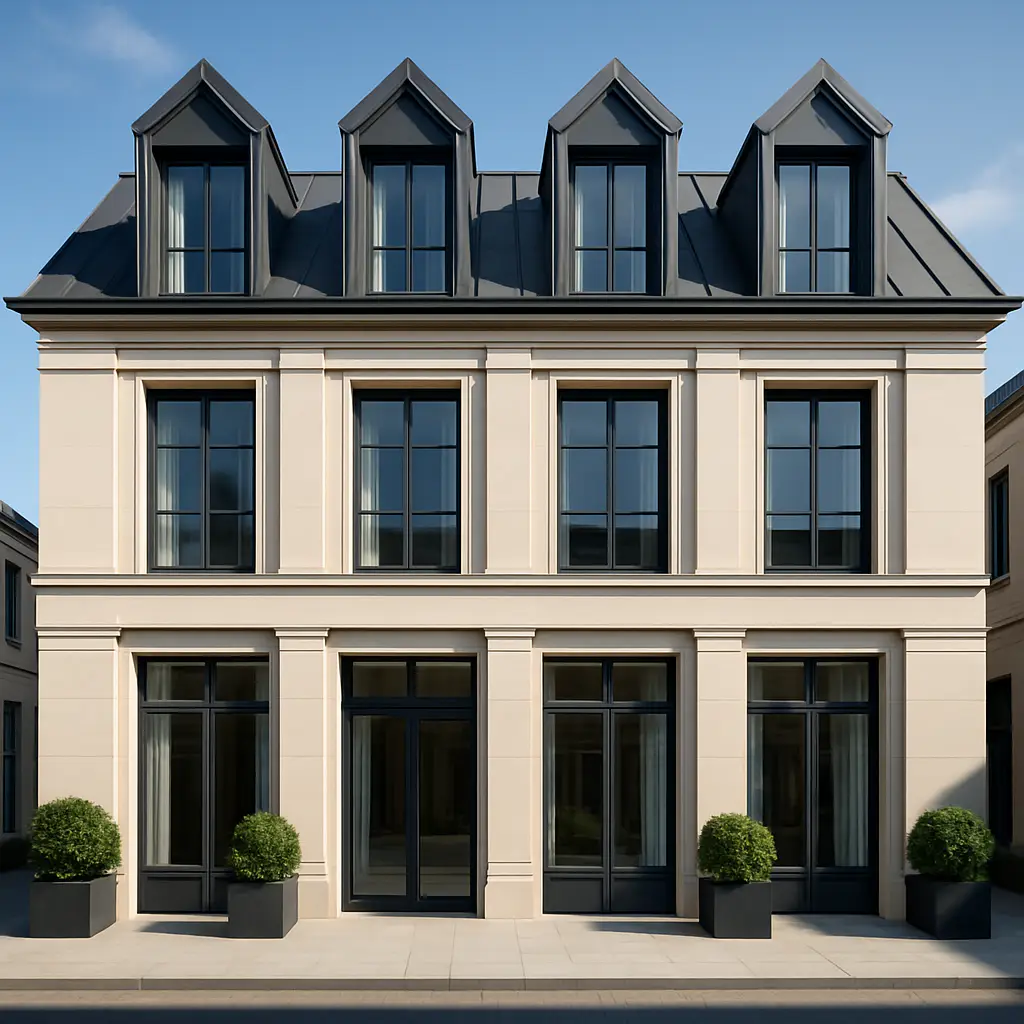
The 20th century simplified the picture. With the rise of tract housing, attic dormer windows and small gabled dormer windows became standardized. But something changed in the last 25 years. Architectural shifted toward clean geometry and refined minimalism. Instead of ornamental pediments, we began seeing rectangular, streamlined modern dormer windows designed to visually stretch the roofline.
The turning point for using foam came when the construction industry began facing limitations with natural materials. Architects needed an architectural form — an element that would be geometrically precise, lightweight, and versatile in terms of textures, finishes, and color variations. Foam became the breakthrough material that met all of these requirements. It allowed us to create anything from classic window surrounds to ultra-modern framing solutions while reducing roof loads and simplifying installation. This gave architects and designers the freedom to form the exact visual identity they envisioned, without running into practical complications.
One of our projects in the historic district of Jacksonville illustrates this perfectly. The house, built in the early 1900s, still had its original wooden dormers, but time had taken its toll — the structures were deteriorating under their own weight. Our task was to recreate surrounds identical in texture, color, and proportions, yet lightweight, durable, and free from the maintenance demands of natural wood.
When our architectural elements were installed and we compared the before-and-after photos, we felt proud of the result. From the street, no one could tell whether the new gabled dormer window surrounds were made from wood or another material. They looked absolutely authentic — simply perfect.
Materials, technology and why foam became the new standard
Architectural foam used for dormer window surrounds is a structural, high-density material with engineered dimensional stability. Its role isn’t to pretend to be “cheap”; its role is to behave predictably.
Foam offers:
- 8–12× lower weight than cast minerals or stone;
- highly accurate fabrication with tight tolerances;
- the capability to form deep reveals, curved profiles and complex cornices;
- factory-applied coatings that imitate stone, stucco or wood with remarkable realism.
We’ve seen countless clients look at the window surrounds, tap on them, and still be unable to determine what they’re made of. And we’ve always loved that moment of surprise — it shows that our work has been executed flawlessly. This is exactly the essence of foam architectural elements: the moment when the aesthetics of traditional materials seamlessly transform into modern technology.
Engineering comparison: foam vs heavy alternatives
| Engineering focus | Architectural foam surround (high-density core) | Cast mineral / cementitious shells | Natural stone and other “heavyweights” |
|---|---|---|---|
| Load on roof framing | ≈ 1.4–2.1 lb/sq.ft, safe for old rafters and light trusses | 12–18 lb/sq.ft, often requires structural check | 20–35 lb/sq.ft, almost always requires reinforcement |
| Dimensional stability | Controlled thermal expansion, no microcracking | Medium stability, joints require monitoring | High density but significant thermal movement |
| Freedom of profile | Deep cornices, curves, complex types of dormer windows | Limited profiles, minimal curves | Very limited shaping options |
| Site work | Clean installation, no wet trades | Heavy, slow, messy installation | Needs stone masons and lifting equipment |
| Logistics | Lightweight shipping, fewer risks in transit | Moderate logistical costs | Very high costs and fragility |
| Finish | Factory-applied, stone/wood/metal texture | Must be finished on site | Requires sealing and maintenance |
| Longevity | Minimal maintenance, 20-year warranty | Coating degrades unevenly | High maintenance burdens |
Types of dormer windows and how they actually perform in real projects
Modern dormer windows
These are all about precision: crisp edges, rectangular fronts, minimal overhangs. Foam is ideal here because it allows thin profiles, exact geometry and clean integration with metal roofing.
We recently completed a boutique hotel in Tampa where the architect wanted an extremely minimalist silhouette. The five modern dormer windows we produced had nearly flush planes and a smooth “concrete” texture. Installation took one day — no cranes, no exterior painting, no special equipment.
Side dormer windows
Natural lighting and visibility. For example, in long corridors, on upper floors, in places where the roof pitch changes, or simply on a corner section of a building, side dormer windows break up the long lines of the structure in purely decorative, visual applications and add volume. And the use of foam makes it possible to vary the depth and slope without adding load. This is where they are most effectively used to solve.
Attic dormer windows
In renovation projects, these solutions become truly transformative and incredibly important. Turning a dark, unused attic into a livable space always begins with introducing natural light. The comfort inside then depends on the depth and shape of the surround. Foam makes it possible to create gabled dormer window surrounds with interior wall thicknesses perfectly suited for built-in furniture, window seats, or shelving.
One of our projects was in St. Augustine, where we created surrounds for three dormer windows. As a result, cozy interior niches formed inside the space, and the homeowners turned them into seating areas. Those interior dormer niches became the most cherished spot in the entire house.
Large shed dormer windows
These demand precision. Height, reveal, slope, load — everything must be perfect. Foam handles this beautifully because its weight remains low even at large sizes.
On a project near Atlanta, a long row of gabled dormer loft windows stretched above a gathering hall. Traditional stone would have required reinforcing the whole roof. Foam allowed a seamless 12-foot assembly that installed quickly and is still performing flawlessly years later.
Small hipped dormer windows
These are rhythm-setters. On long façades, small hipped dormer windows act like musical beats: adjust spacing and the entire building reads differently. Because foam can be fabricated with nearly identical precision across dozens of units, the facade rhythm stays clean and consistent.
How the manufacturing process actually works
The entire process looks like precise engineering, not just a small, lightweight decorative treatment. Everything begins with architectural data. You provide us with plans, drawings, elevations, BIM files, roof details, as well as diagrams showing the layout of the rafters. Our engineers determine the load paths, how to correctly design the overhang, how to ensure drainage, what the distances to the existing roofing should be, and what the relationships will be between the shed dormer window, its front plane, and the cornices. Only after this does the 3D model begin to be created.
The geometry is not invented or improvised — every part is calibrated, including angles, slopes, and everything else. After the model is approved, CNC programming begins. The foam material is cut with an extremely high level of precision — usually 1/16 inch, and for sensitive joints 1/32 inch. After machining, the foam core is reinforced with a protective shell that is specifically designed to increase impact resistance.
The coating thickness is calculated so that the element remains rigid for large spans, especially if these are large hipped gabled dormer windows. Only after this is the final finishing performed. We apply texture — it can be stone, wood, plaster, and so on. The color is selected according to the samples you provide to us or according to other specifications of your project.
The goal is ultimately to produce an architectural element and form that is fully finished from the moment it arrives and that at the job site it only needs to be installed after being taken out of the crate, without any refinishing or additional work. No priming, no treatments, no cutting — none of this will be required on site. All decorative elements are bonded by us at the factory; this reduces the number of installation errors and speeds up the installation process significantly.
Each element undergoes geometric inspection and coating-quality inspection at the production facility and is delivered with a full set of technical documentation, from drawings to installation instructions. We also provide consultation if any unforeseen questions arise.
Why foam hipped dormer surrounds are a strategic choice
Lightweight construction that protects the roof
The light weight prevents overloading rafters or trusses, making foam the safest option for renovations, historical structures and complex roof geometries. Even large shed dormer windows remain structurally manageable.
Factory-applied coating and protective finish
Every surround arrives at your project site fully finished and ready for installation. The coating of our architectural elements follows a specialized technology — a multilayer system similar to a finely built “layered shell.” Starting with the primer, each layer is applied step by step, and the final stage is a protective topcoat designed to ensure that every architectural element serves for decades without losing its quality. This is why all finishing is done at our production facility.
No additional coating, touch-ups, tinting or adjustments are required on site.
Precision geometry down to the millimetre
Because the architectural elements — especially window surrounds — fully match the project drawings, installers don’t need to spend time modifying, trimming or adjusting them during installation. This reduces labor costs and makes the installation process easier, smoother and free from the need for specialized skills.
Logistics that don’t inflate project budgets
Foam is light. Transporting even large assemblies is cost-efficient, safe and fast. Pre-assembled units reduce the number of crates and shipments.
Freedom of form and consistent stylistic language
You can mix classical pediments, modern rectangular hipped dormer windows, and subtle side dormer windows— all executed in one material with consistent finish. The building reads as a cohesive architectural story.
Minimal maintenance with 20-year warranty
Foam doesn’t absorb moisture, doesn’t rot, doesn’t delaminate, doesn’t require repeated sealing. With proper installation, these surrounds have a decades-long lifespan supported by a 20-year warranty.
All together, foam shed dormer surrounds deliver a rare architectural combination: they look sophisticated and richly detailed, yet behave like optimized, predictable engineered components.
If you’re designing a façade, planning a renovation or refining the roofline of a new project — simply send us your drawings. We will model the surround precisely, prepare a 3D visualization of hipped dormer windows interior, match textures and colors, and calculate shed dormer windows cost with clear logistics and a complete installation roadmap.
Leave a request in any format convenient for you, and we’ll prepare a tailored solution that preserves your architectural vision, protects your schedule and keeps your project structurally safe.
Your essential design
& specification catalogDownload Free Catalog
& specification catalog
Get the definitive guide to our custom decorative architectural foam shapes. This free catalog is packed with hundreds of design profiles, detailed technical specifications, and real-world project applications.
Let's build something great together
Have a project in mind?
Our dedicated specialists are ready to collaborate with you, turning your concept into a detailed plan with a transparent budget. Let’s bring your vision to life!