

How to Choose Exterior Polyurethane Trim for Your Home
Last spring I walked up to a house where the homeowner had already ripped off half his old wood cornice trying to replace it himself. He’d spent three weekends on it and was ready to quit. That’s usually how I get called in – after something goes sideways. And nine times out of ten, the problem started with a bad material choice before anyone picked up a single tool.
If you’re thinking about upgrading your facade with new trim, molding, or decorative elements, this article is for you. I’m going to give you the honest version – not the sales pitch.
Let’s start with the basics, because I’ve had clients come to me with completely wrong assumptions about what they’re buying.
Architectural foam – often called EPS foam trim exterior or foam molding exterior – is expanded polystyrene shaped into decorative profiles. Cornices, window surrounds, column wraps, band molding, pilasters. You name it, they make it in foam. The material starts as a rigid foam core, and then it gets coated. That coating is everything. Without it, you’ve got nothing but fragile white foam sitting on your house waiting to get damaged.
Here’s what I tell clients: the foam itself isn’t the product. The coating system is the product. A quality foam cornice exterior piece will have a base coat reinforced with fiberglass mesh, followed by a finish coat that’s either acrylic or polymer-based. Some manufacturers also factory-prime pieces before shipping. That matters a lot for how long the installation lasts.
And the reason foam has taken over from wood in most of my projects isn’t because it’s trendy. It’s because wood fails. I did a full cornice replacement on a Victorian in 2019 – the original wood trim was only 22 years old and half of it had rotted through from the back side where moisture had been sitting. The homeowner couldn’t believe it. We replaced everything with foam stucco molding profiles, and the difference in weight alone made the job go twice as fast.
Foam facade elements are also easier to cut, shape, and fit around complicated geometry. On older homes especially, nothing is perfectly square. Foam gives you a little forgiveness that wood simply doesn’t.
This is where most homeowners make the biggest mistake. They pick based on price or photos online without understanding what separates a good foam trim house product from a cheap one that’ll start showing cracks within two or three seasons.
First, ask about the density of the EPS core. Higher density means better impact resistance and a cleaner edge after cutting. For exterior applications – especially foam window trim exterior and foam crown molding exterior – I recommend nothing below 1.5 lb per cubic foot density. Go below that and you’ll start seeing dings and dents just from normal handling during installation.
Second, look at the coating thickness. A quality decorative foam molding exterior piece should have a coating you can actually feel and measure. At least 3mm of reinforced base coat on the face is what I look for. Some budget manufacturers spray on the thinnest possible layer just to check a box. You can usually tell by pressing a fingernail gently into the coated surface – it shouldn’t leave any impression at all.
But here’s the thing nobody in the sales department will tell you: not all foam exterior trim profiles are created equal even within the same brand. Window and door surrounds take more abuse than a foam cornice exterior up near the roofline. They get hit with ladders, garden tools, and direct water runoff. Buy accordingly. Don’t put your budget-line trim pieces in high-traffic spots.
Third, check whether the product is designed specifically for stucco systems if that’s your facade finish. Foam stucco molding is engineered differently – the surface texture and absorption rate matters for how well finish coats bond to the trim. I’ve seen jobs where a contractor used generic EPS foam trim exterior profiles on a stucco house and the finish coat started peeling off the trim within one winter because the surface wasn’t compatible. That’s an expensive mistake to fix.


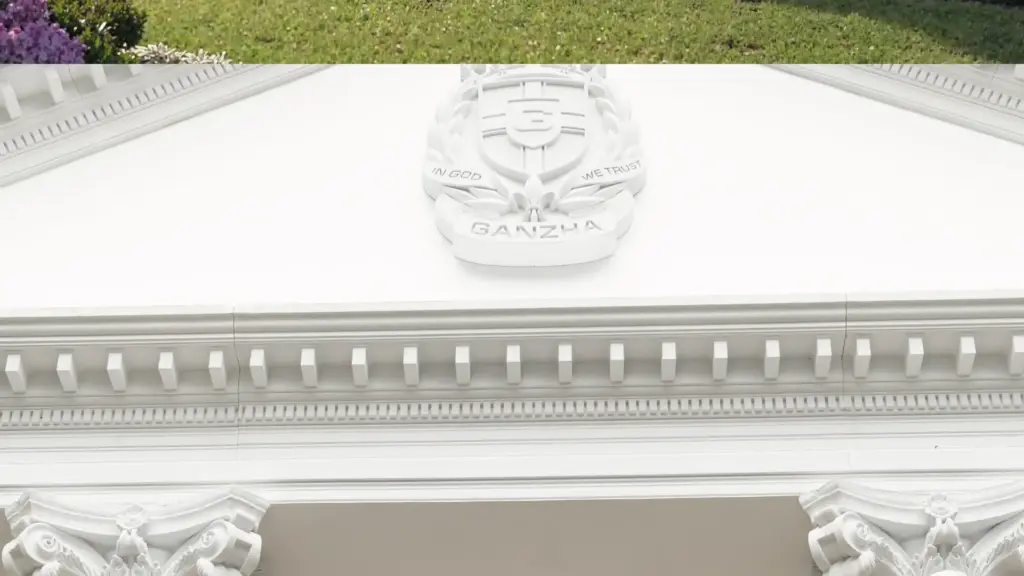


You can buy the best eps molding exterior money can buy and still end up with a disaster if it goes up wrong. I’ve fixed enough of other people’s bad installs to know this better than most.
The number one installation error I see is skipping proper adhesive. Foam exterior trim needs a compatible construction adhesive – typically a polyurethane-based adhesive or one specifically rated for foam. Standard silicone caulk is not an adhesive. I pulled a window surround off a house once where the previous contractor had literally used landscape adhesive. The whole piece came off in one clean piece. Don’t do that.
Mechanical fasteners matter too. On foam molding house exterior applications, I use stainless steel or hot-dipped galvanized ring-shank nails for most profiles, combined with adhesive. The combination is what gives you long-term security. Fasteners alone without adhesive will eventually work loose through thermal expansion. Adhesive alone without fasteners is a risk in high wind zones.
In practice, most people underestimate how much prep work matters on this step. Taking the time to dry-fit each piece before applying adhesive, checking for gaps and alignment, saves a lot of grief later. Once that adhesive grabs, you’re committed – and repositioning a coated foam profile without damaging it is not a fun job.
Seal every joint and cut edge before painting. Exposed foam, even well-coated foam, can absorb moisture at the cut edges during installation before you get paint on it. A quick pass with a compatible primer or sealant on cut ends takes ten minutes and can add years to the life of your trim.
Use 100% acrylic exterior paint with a quality primer coat. Two finish coats minimum. Some foam facade elements come factory-primed, which speeds things up, but I still recommend a field-applied primer coat to unify the surface, especially if you’ve done any cutting or filling on site.
Does the paint color matter beyond aesthetics? Actually, yes. Very dark colors on foam trim exterior in hot climates can cause surface temperature issues that accelerate coating breakdown over time. I try to keep client color choices in the light to medium range for longevity, especially on south-facing elevations.
This part is where the design conversation starts, and it’s one I genuinely enjoy having with clients. Because foam trim for a house isn’t just a maintenance decision – it’s an opportunity to transform how your home looks from the street.
Foam crown molding exterior profiles range from simple one-piece coves to full classical assemblies with multiple layers. On a modest ranch house, a clean simple cornice line can add real visual weight and presence without looking overdone. On a traditional colonial or craftsman, you’ve got room to go deeper with layered profiles and detailed foam cornice exterior assemblies.
The key is proportion. A 4-inch crown molding on a 10-foot wall looks completely different than on a 9-foot wall. I always look at the scale of the wall plane before recommending a profile size. Go too big and it looks cartoonish. Go too small and you can barely see it.
Foam window trim exterior is another area where proportion rules everything. A simple flat casing might be all you need on a contemporary home. But if you’ve got a traditional facade and you want to add keystones, sills, and pilasters around your windows, all of that is available as foam facade elements that can be assembled on-site. I did a full window surround package on a 1940s brick colonial a few years back – 14 windows, full trim assemblies on each one. The house looked completely different when we were done, and the homeowner said it added more perceived value than any interior renovation she’d ever done.
Don’t overlook the horizontal band molding either. A simple foam stucco molding band run between your first and second floor, or just below the roofline, can pull the whole facade together in a way that no amount of paint color change will ever achieve.
- What is exterior foam molding?
Exterior foam molding is lightweight EPS trim used to decorate and enhance building facades. It’s shaped into profiles like cornices, window surrounds, band molding, and crown details, then coated for weather resistance. Think of it as a smarter, lighter alternative to wood trim that doesn’t rot and doesn’t demand the same level of ongoing maintenance. - Is foam molding suitable for outdoor use?
Yes, when coated with protective layers, it becomes weather-resistant and durable. The coating system – base coat, reinforcement mesh, and finish coat – is what shields the foam core from moisture, UV, and temperature swings. A properly coated and painted foam trim exterior piece handles outdoor conditions well across a wide range of climates. - How long does exterior foam molding last?
With proper installation and coating, it can last many years without cracking or rotting. In my experience, well-installed architectural foam trim on a properly prepared substrate, painted with quality acrylic exterior paint, regularly holds up 20 to 30 years without major issues. The weak points are almost always improper installation or deferred maintenance on the paint coat. - Is foam molding better than wood for exterior?
Foam is lighter, moisture-resistant, and more cost-effective compared to wood. It doesn’t warp, rot, or attract insects. For most exterior foam molding applications today, it’s simply the more practical choice. The one area where wood still wins aesthetically is when you want to stain rather than paint – foam doesn’t take stain the same way. But for painted exterior applications, foam wins almost every time.
Share the article
More architectural shapes
We provide architects, builders, and homeowners with turnkey decorative elements that transform any project — fast, easy, and cost-effective.






Have a project in mind?
Our dedicated specialists are ready to collaborate with you, turning your concept into a detailed plan with a transparent budget. Let’s bring your vision to life!

& specification catalog
Get the definitive guide to our custom decorative architectural foam shapes. This free catalog is packed with hundreds of design profiles, detailed technical specifications, and real-world project applications.